Interferencia armónica y supresión del convertidor de frecuencia
Apr 29,2026
Cuando los inversores de frecuencia (especialmente los de tipo PWM) están en funcionamiento, generan una gran cantidad de armónicos debido a las características no lineales de las etapas de rectificación e inversión, lo que puede interferir con la red eléctrica y los equipos circundantes. A continuación, se presenta una explicación sistemática desde tres perspectivas: causas, riesgos y métodos de supresión.
1. Causas de la interferencia armónica
El circuito principal de un convertidor de frecuencia generalmente consta de: un puente rectificador (rectificación trifásica no controlada) → un bus de CC (filtrado capacitivo) → un inversor IGBT (modulación PWM):
-
Rectificación en el lado de entrada: La forma de onda actual es pulsada y contiene una gran cantidad de armónicos impares como 5, 7, 11 y 13.
-
Modulación PWM en la salida: La forma de onda de voltaje/corriente de salida es un pulso de conmutación de alta frecuencia que contiene armónicos de alto orden (cercanos a la frecuencia portadora y sus múltiplos).
-
Efectos de los parámetros distribuidos: En cables largos, la capacitancia a tierra amplifica las corrientes armónicas de alto orden, generando picos de voltaje.
2. Los principales peligros de los armónicos
-
Red eléctrica: distorsión de voltaje, factor de potencia reducido y aumento de la potencia reactiva.
-
Otros equipos conectados a la misma red eléctrica: fallos en los equipos de control, errores en los instrumentos e interferencias en las comunicaciones.
-
Motor: Generación de calor adicional, pulsación de par y envejecimiento acelerado del aislamiento (picos de tensión).
-
El propio inversor: una sobretensión en el bus de CC o una interferencia con la placa de control pueden provocar fallos de funcionamiento.
-
Condensadores y transformadores: Calentamiento armónico, ruido anormal y vida útil reducida.
3. Métodos de supresión de armónicos (técnicas de ingeniería comunes)
-
Reactores de CA: Aumentan la impedancia de conmutación, suavizan la forma de onda de la corriente y reducen el THDi entre un 30 y un 40 %.
-
Reactores de CC: suprimen la pulsación de CC y mejoran la forma de onda de la corriente de entrada, con un rendimiento superior al de los reactores de CA.
-
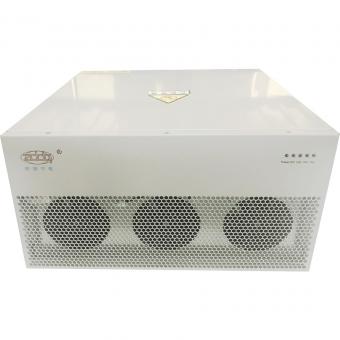
Filtros armónicos: Cuando un filtro LC pasivo se sintoniza a una frecuencia armónica específica (como el quinto o el séptimo armónico), la distorsión armónica total inducida (THDi) se puede reducir a menos del 10 %.
-
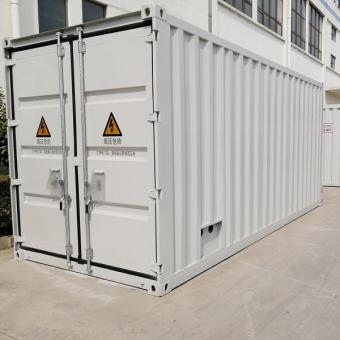
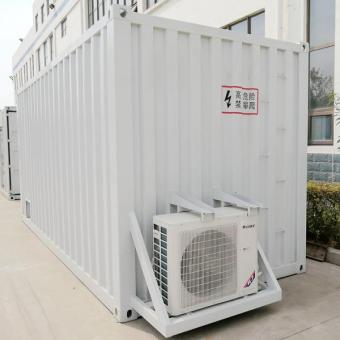
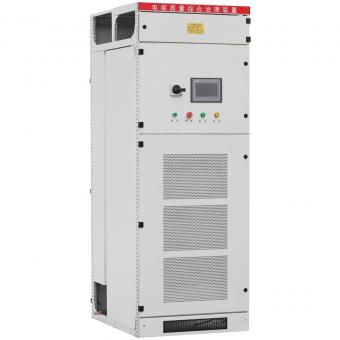
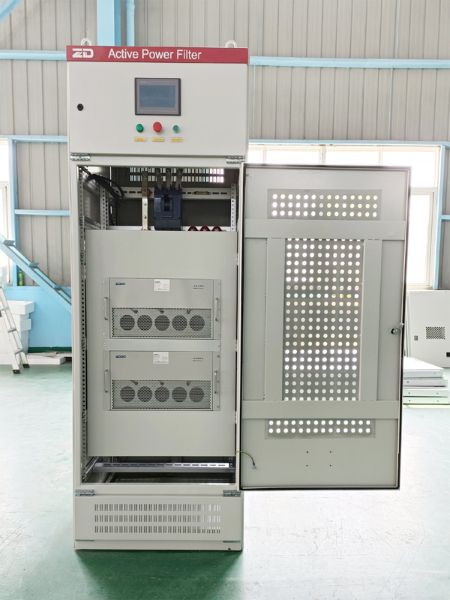
Filtro de potencia activo (APF)
: Genera activamente corriente armónica inversa para cancelar el THDi por debajo del 5%.
4. Recomendaciones de configuración típicas
-
Un único convertidor de frecuencia, situado a menos de 30 metros del motor, con capacidad de red suficiente y con un único reactor de CC (como el integrado en el convertidor de frecuencia).
-
Múltiples convertidores de frecuencia, sensibles a la red (con PLC e instrumentación), cada uno con un reactor de CA y un filtro pasivo instalados en la línea principal de entrada.
-
Requisitos estrictos de armónicos (IEEE 519, GB/T 14549),
filtro armónico activo
.