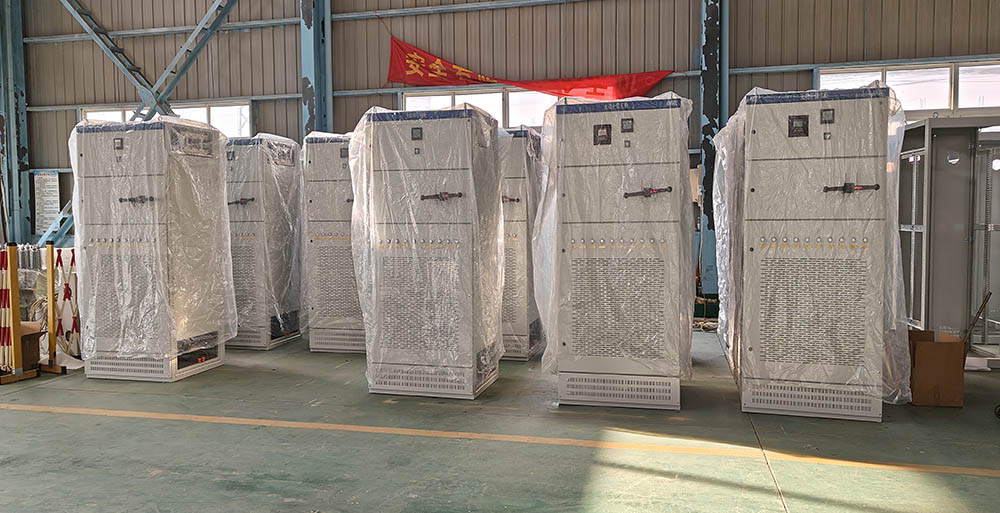
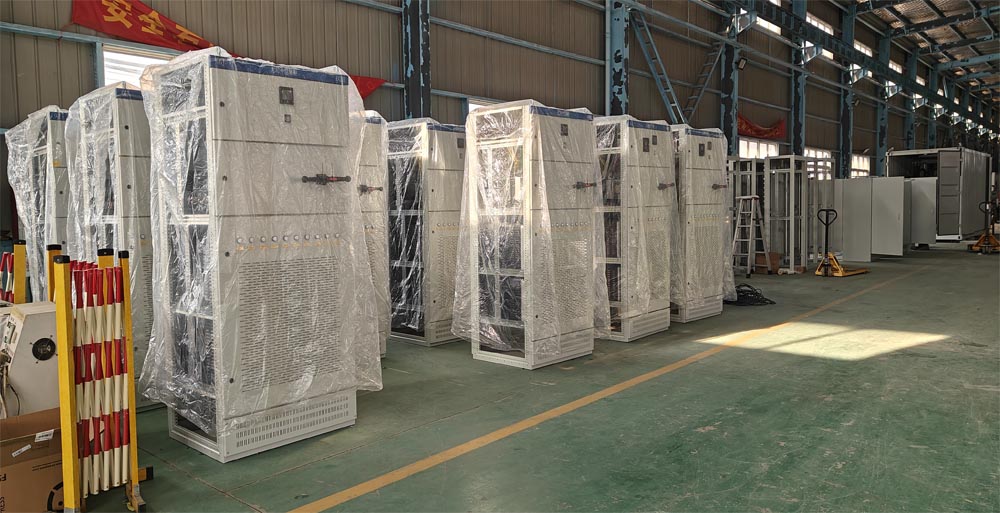
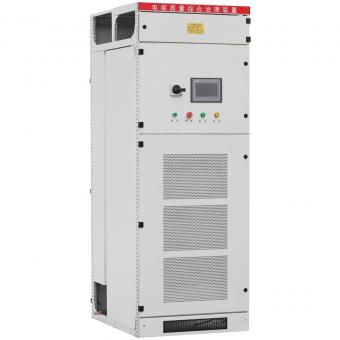
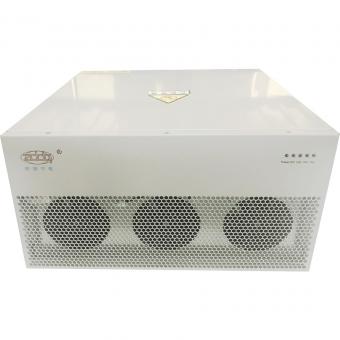
La solución modular para
low-voltage capacitor
banks differs significantly from the traditional split-type (also known as combined or cabinet-type) solution in terms of structure, performance, and maintenance.
I. Modular Capacitor Compensation Device
Structural Features:
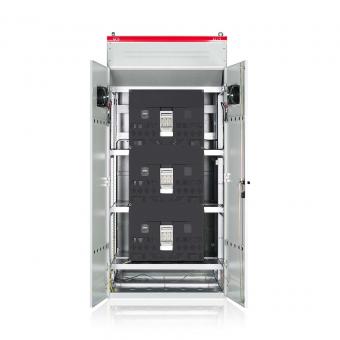
Capacitors, reactors, switching devices (
thyristors
, contactors, or composite switches), protection devices (fuses, temperature protection, etc.), and controllers are integrated into a standardized, pluggable module. Typically installed in a drawer-type or wall-mounted configuration.
Advantages:
1. Flexible installation: The modules are small and support hot-swapping, allowing for flexible expansion or replacement within the cabinet.
2. Convenient maintenance: Faulty modules can be removed and replaced individually without power interruption, shortening maintenance time.
3. High consistency: Standardized production and optimized parameter matching reduce resonance or loss problems caused by mismatched components.
4. High degree of intelligence: Usually built-in intelligent controllers support communication interfaces (such as RS485/Modbus), making it easy to integrate into automation systems.
5. Good safety: The module integrates comprehensive protection (overcurrent, overtemperature, overvoltage, etc.) and has strong isolation.
II. Traditional Split-Type Capacitor and Reactor Device
Structural Features:
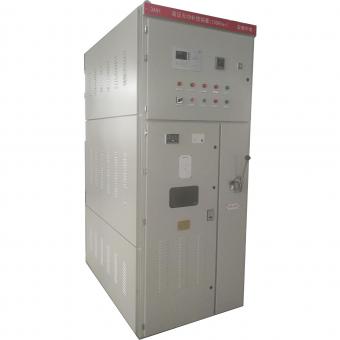
Capacitors, reactors, switching devices, protection devices, etc., are installed separately in the same cabinet, connected by cables or copper bars, and the controller is installed independently.
Advantages:
1. Lower cost: Components are purchased and installed separately, resulting in relatively lower initial investment.
2. High maintenance flexibility: Individual components (such as capacitors and reactors) can be replaced separately when damaged, resulting in lower maintenance costs.
3. Good heat dissipation: Components are distributed, providing ample heat dissipation space, which is conducive to long-term stable operation.
4. Strong customization: Flexible selection and configuration can be made according to on-site needs, with a large capacity adjustment range.
5. Mature technology: Long application history, maintenance personnel are familiar with the structure, and spare parts are highly interchangeable.
III. Selection Suggestions
1. Choosing the modular solution:
Suitable for new projects, applications requiring a high degree of automation, fast maintenance response, and limited cabinet space, such as data centers, high-end manufacturing, and commercial buildings.
2. Choosing the traditional split-system solution:
Suitable for situations with limited budgets, renovation projects, high demands for expansion flexibility, and where maintenance personnel have strong technical capabilities, such as traditional industrial plants and upgrades of older systems.
Ⅳ. Precau
tions
:
1. Harmonic environment: If
harmonics
are severe (e.g., THDi > 10%), a filter reactor is required. Modular solutions usually have integrated reactors, while split-system solutions require separate calculation and matching of the reactor rating.
2. Expansion needs: Split-system solutions are more suitable for scenarios where significant capacity adjustments are needed later. 3. Energy efficiency requirements: Modular solutions typically use dynamic switching (e.g., thyristors), resulting in faster response times and suitability for scenarios with large load fluctuations.
Both solutions have their own applicable scenarios. A comprehensive consideration of project budget, space constraints, operation and maintenance capabilities, and long-term needs is necessary for selection.
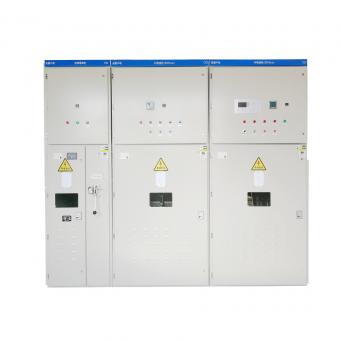
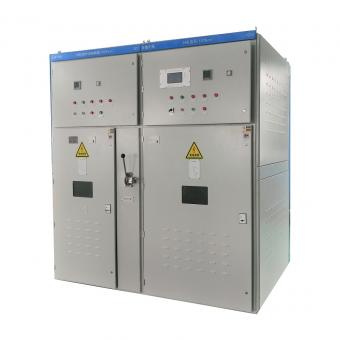
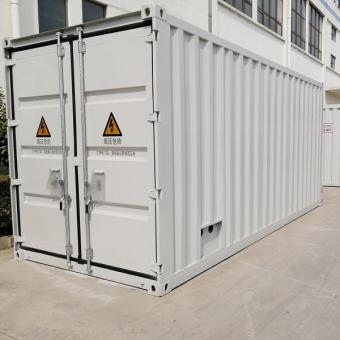
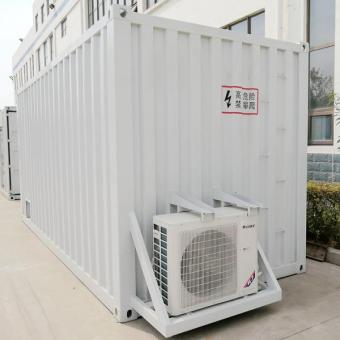
Zimbabwe Intelligent capacitor bank module cabinets: