Introducciónducción
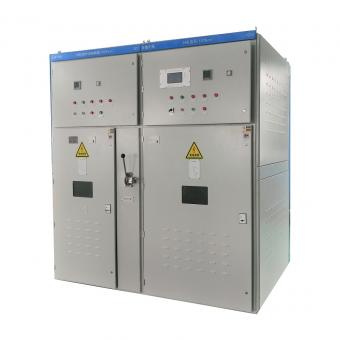
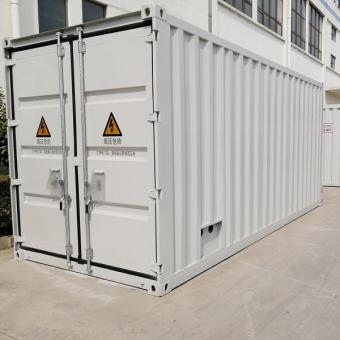
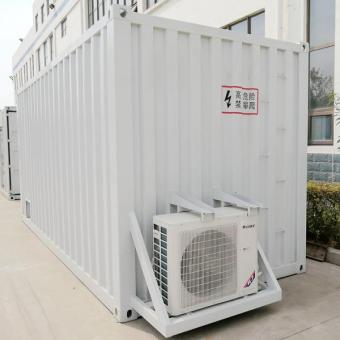
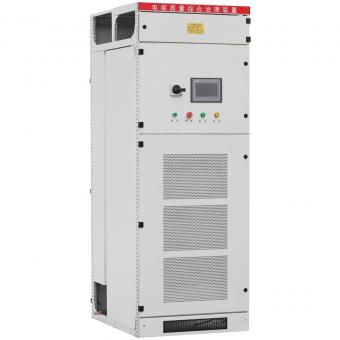
En el entorno industrial actual, la calidad de la energía se ha convertido en un factor clave que afecta la eficiencia de producción, la vida útil de los equipos y la gestión energética. Con el uso creciente de cargas eléctricas sensibles como líneas de producción automatizadas, equipos semiconductores, centros de datos y sistemas de energía renovable, las empresas están prestando más atención a las soluciones de calidad de energía, incluidos filtros de armónicos,
filtros de potencia activa (APF),
generadores estáticos de var (SVG), y sistemas de compensación con condensadores.
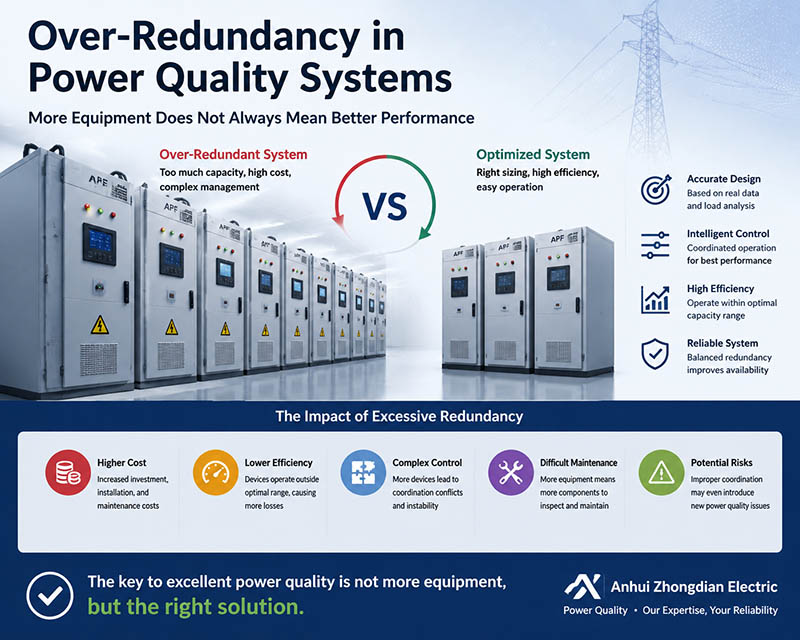
Al diseñar un sistema de calidad de energía, la fiabilidad siempre es una consideración importante. Muchos ingenieros creen que instalar más capacidad de equipos y unidades de respaldo adicionales puede garantizar una mayor estabilidad del sistema. Sin embargo, prestar una atención excesiva a la redundancia puede conducir a un resultado diferente: mayores costes, funcionamiento ineficiente y complejidad innecesaria.
Una solución de calidad de energía verdaderamente optimizada no consiste en instalar la mayor cantidad de dispositivos, sino en lograr el equilibrio adecuado entre fiabilidad, rendimiento y eficiencia de inversión.
La redundancia excesiva crea una presión de inversión innecesaria
Una de las consecuencias más directas de la redundancia excesiva de equipos es el aumento del coste del proyecto.
En muchas aplicaciones industriales, los problemas de calidad de energía no son constantes. La distorsión armónica, la demanda de potencia reactiva y las fluctuaciones de tensión suelen cambiar según los programas de producción y las condiciones de carga. Sin embargo, algunos proyectos se diseñan con una capacidad de compensación excesiva basándose únicamente en suposiciones futuras en lugar de datos operativos reales.
Por ejemplo, una fábrica que requiere
compensación de potencia reactiva de 300kvar puede instalar un sistema de compensación de 600kvar o incluso mayor para garantizar una «seguridad absoluta». Aunque el sistema parece más potente, una gran parte del equipo puede permanecer inactiva durante la mayor parte del tiempo de funcionamiento.
Esto resulta en:
-
Mayor inversión inicial en equipos
-
Mayores requisitos de espacio de instalación
-
Aumento de los costes de transporte y mantenimiento
-
Menor retorno de la inversión
La gestión eficaz de la calidad de energía debe comenzar con un análisis preciso de la energía en lugar de simplemente aumentar la capacidad de los equipos.
Los sistemas sobredimensionados pueden reducir la eficiencia de compensación
Los productos de calidad de energía están diseñados para responder dinámicamente a los problemas eléctricos. Sin embargo, los sistemas sobredimensionados pueden funcionar fuera de su rango óptimo.
Por ejemplo, cuando varios filtros de potencia activa o unidades SVG se instalan en paralelo con una capacidad excesiva, la respuesta de compensación puede volverse menos eficiente. El sistema puede ajustar con frecuencia los niveles de salida con cargas ligeras, provocando operaciones de conmutación innecesarias y pérdidas adicionales.
En aplicaciones prácticas, el mejor rendimiento suele provenir de equipos que funcionan dentro de un rango de carga razonable. Un dispositivo de calidad de energía correctamente seleccionado puede lograr una respuesta más rápida, mayor eficiencia y un funcionamiento más estable en comparación con un sistema sobredimensionado.
Múltiples dispositivos aumentan la complejidad del control
La redundancia suele introducirse para mejorar la fiabilidad, pero demasiados dispositivos pueden hacer que la gestión del sistema sea más complicada.
Cuando varios dispositivos de calidad de energía funcionan juntos, la coordinación entre controladores se vuelve fundamental. Sin una comunicación adecuada y una gestión inteligente, pueden producirse problemas:
-
Diferentes dispositivos respondiendo repetidamente a la misma perturbación
-
Estrategias de compensación interfiriendo entre sí
-
Configuraciones de parámetros más complicadas
-
Diagnóstico de fallos difícil
Un sistema de calidad de energía debe funcionar como una solución integrada en lugar de como una colección de dispositivos independientes.
Las soluciones modernas deben centrarse en la monitorización inteligente, el control coordinado y el ajuste en tiempo real en lugar de simplemente añadir más hardware.
Mayores requisitos de mantenimiento y riesgos a largo plazo
Cada dispositivo adicional aumenta la posibilidad de futuros requisitos de mantenimiento.
Un sistema de calidad de energía con redundancia excesiva significa que más componentes necesitan inspecciones periódicas, incluidos módulos de potencia, unidades de control, sistemas de refrigeración e interfaces de comunicación.
Durante fallos de funcionamiento, los ingenieros también pueden dedicar más tiempo a identificar si el problema proviene de:
-
Una sola unidad de compensación
- Comunicación entre múltiples dispositivos
- Parámetros de control incorrectos
- Problemas de coordinación del sistema
Un sistema simplificado y correctamente diseñado suele proporcionar una mejor fiabilidad a largo plazo que un diseño innecesariamente complejo.
La fiabilidad debe provenir de un diseño inteligente, no de una capacidad excesiva
El propósito de la redundancia es mejorar la disponibilidad del sistema, pero debe basarse en los requisitos reales de la aplicación.
Una solución profesional de calidad de energía debe considerar:
- Mediciones de calidad de energía en tiempo real
- Expectativas de crecimiento de la carga
- Condiciones de funcionamiento de los equipos
- Características de generación de armónicos
- Estrategias de mantenimiento
Un diseño de redundancia razonable, como la capacidad de expansión modular o una configuración de respaldo N+1, puede proporcionar fiabilidad sin desperdiciar recursos.
El futuro de la tecnología de calidad de energía avanza hacia soluciones inteligentes, modulares y energéticamente eficientes. En lugar de aumentar la cantidad de hardware, las tecnologías avanzadas de monitoreo y control adaptativo pueden proporcionar una protección más inteligente y un mejor rendimiento.
Conclusión
En la ingeniería de calidad de energía, una redundancia excesiva no siempre equivale a una mayor fiabilidad. Los sistemas sobredimensionados pueden presentar desventajas ocultas, incluyendo inversiones innecesarias, menor eficiencia, operación complicada y mayores desafíos de mantenimiento.
La solución ideal de calidad de energía debe basarse en un análisis preciso, una selección optimizada de capacidad y tecnología de control inteligente.
Al centrarse en los requisitos eléctricos reales en lugar de una expansión excesiva de equipos, las empresas pueden lograr un sistema eléctrico más fiable, económico y sostenible.
ZDDQ se compromete a proporcionar soluciones personalizadas de calidad de energía que ayuden a los clientes a mejorar la eficiencia eléctrica, reducir los riesgos operativos y construir sistemas energéticos más inteligentes.