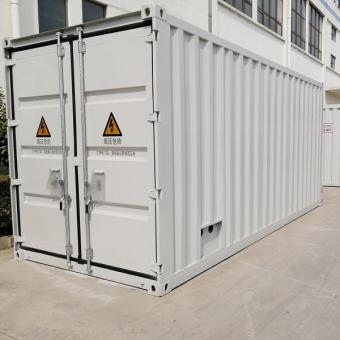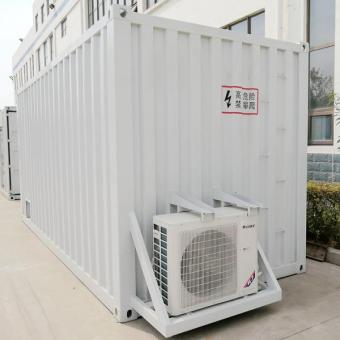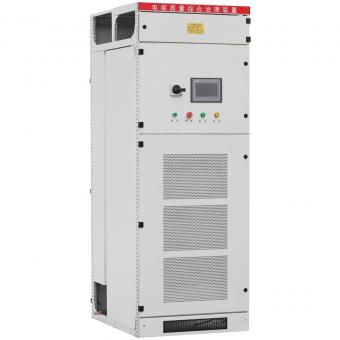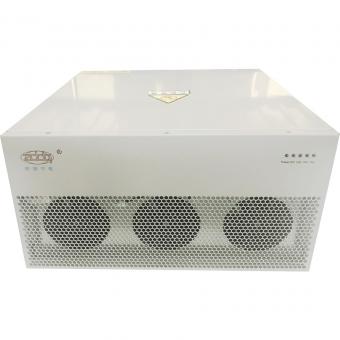
En el diseño de sistemas de suministro y distribución de energía de baja tensión, compensación de potencia reactiva bancos de condensadores y filtro armónico activo Los bancos de filtros son dispositivos de uso común para mejorar las condiciones de funcionamiento de la red eléctrica. La secuencia de instalación de estos dos componentes en la barra colectora afecta directamente al efecto de mitigación de armónicos, al estado de funcionamiento de la compensación de potencia reactiva y a la vida útil de los equipos eléctricos. En muchos proyectos, el banco de filtros se ubica después del banco de condensadores; ¿por qué se elige esta disposición?
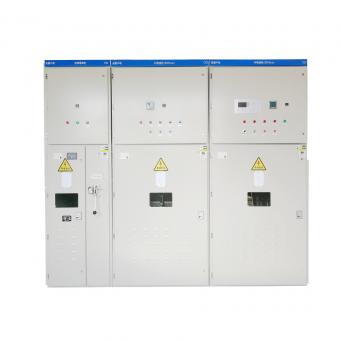
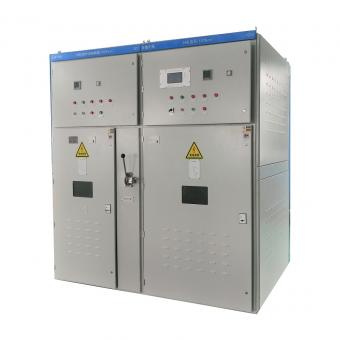
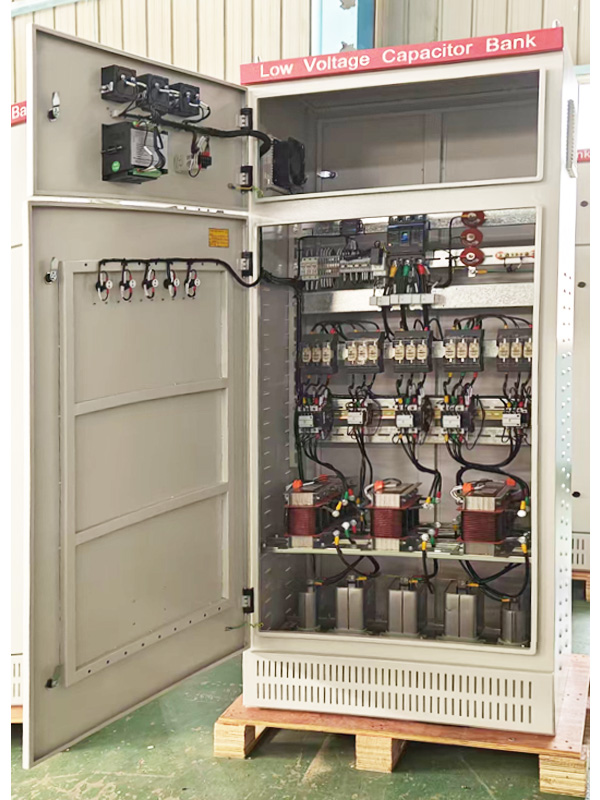
Los bancos de condensadores se utilizan principalmente para la compensación de potencia reactiva en las redes eléctricas. Al conectar y desconectar los bancos de condensadores, proporcionan potencia reactiva capacitiva al sistema para compensar el consumo de potencia reactiva generado por diversas cargas inductivas, mejorando así el factor de potencia, reduciendo las pérdidas de potencia activa en las líneas de transmisión y optimizando el funcionamiento general de la red eléctrica.
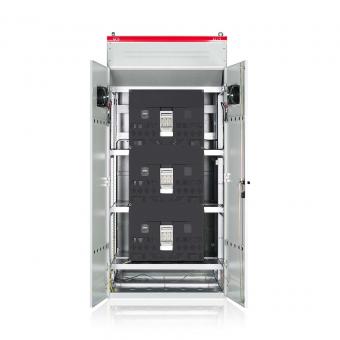
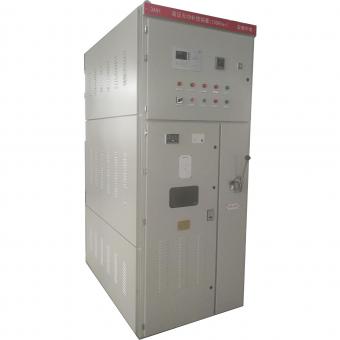
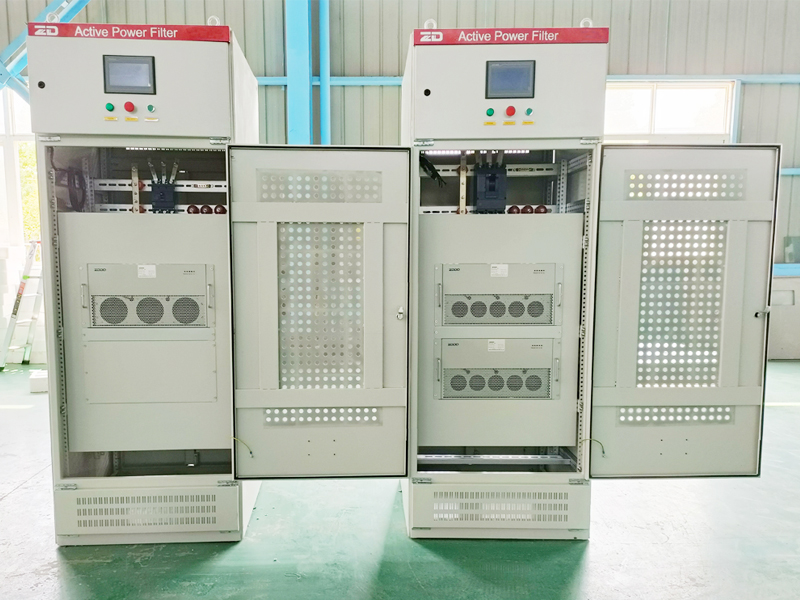
La función principal de un armario de filtrado armónico activo es eliminar los diversos armónicos presentes en la red eléctrica. Los componentes armónicos se generan durante el funcionamiento de cargas no lineales, lo que puede provocar fácilmente distorsiones en las formas de onda de tensión y corriente, dando lugar a fenómenos como el sobrecalentamiento de los equipos, el envejecimiento del aislamiento y fallos en los circuitos de control. Los armarios de filtrado pueden absorber y suprimir estos armónicos, manteniendo la estabilidad de la forma de onda de la red eléctrica.
La colocación del gabinete de filtros detrás del banco de condensadores permite mitigar tanto los armónicos de fondo como los generados por la compensación de los condensadores. Durante la conmutación y el ajuste, el banco de condensadores genera armónicos, y las características de impedancia de los condensadores los hacen propensos a acoplarse con los armónicos existentes de la red. El montaje posterior del gabinete de filtros garantiza un filtrado uniforme tanto de los armónicos existentes de la red como de los generados durante el funcionamiento de los condensadores, proporcionando una cobertura completa de mitigación de armónicos y mejorando la eficacia general del filtrado.
Además, esta configuración reduce el impacto continuo de los armónicos en los condensadores. El banco de condensadores se conecta directamente al bus de distribución para la regulación de potencia reactiva, y se añade un filtro en la parte posterior para procesar la corriente y los armónicos que circulan por el circuito del condensador. Esto atenúa la corriente circulante generada por los armónicos dentro del condensador, evita sobrecorrientes armónicas prolongadas que provocan un aumento excesivo de la temperatura del condensador y un envejecimiento acelerado del aislamiento, reduce la probabilidad de abultamiento, rotura y otras fallas en el condensador, y prolonga la vida útil del equipo.
La disposición del armario de filtros montado en la parte trasera también puede atenuar la interferencia mutua entre la conmutación de potencia reactiva y las perturbaciones armónicas, estabilizar las fluctuaciones de tensión y corriente del bus, reducir el impacto en los transformadores, los interruptores de entrada y los equipos de salida de cada circuito, y permitir que todo el sistema de distribución de energía de baja tensión funcione en condiciones seguras y estables, lo que también puede satisfacer las necesidades reales de la instalación eléctrica in situ y la posterior operación y mantenimiento.
Categorías
nuevo blog


NO.25,JINHE RD,HUAIYUAN ECONOMIC DEVELOPMENT ZONE ,BENGBU,ANHUI


Scan to WhatsApp: