En la producción industrial, las empresas suelen enfrentarse a dos grandes desafíos: la fluctuación de la eficiencia de producción y los costos de electricidad persistentemente elevados. La mayoría de las veces, los gerentes atribuyen estos problemas al envejecimiento de los equipos y a la operación inadecuada por parte del personal, pasando por alto un factor oculto que acecha en el sistema eléctrico: los armónicos. Como "contaminación eléctrica" del sistema eléctrico, los armónicos no solo aumentan directamente los costos de electricidad de las empresas, sino que también provocan fallos en los equipos e interrupciones de producción, convirtiéndose en un factor clave que limita las mejoras de eficiencia. Hoy comenzaremos con la naturaleza y los peligros de los armónicos y, combinando la experiencia práctica, proporcionaremos a las empresas soluciones aplicables.
En entornos industriales, más del 90% de los armónicos se originan en equipos como convertidores de frecuencia, rectificadores, hornos de arco eléctrico y fuentes de alimentación UPS. Estos dispositivos se utilizan ampliamente en las industrias manufacturera, metalúrgica y química, convirtiéndose en las principales "fuentes de contaminación armónica".
Los armónicos no son "fluctuaciones inofensivas", sino que pueden tener un impacto sistémico en la producción y las operaciones de una empresa. Sus daños pueden resumirse en cuatro dimensiones principales:
1. Esto aumenta directamente los costos de electricidad, erosionando silenciosamente las ganancias corporativas.
Pérdidas en los equipos: En un entorno con armónicos, los transformadores, motores y otros equipos experimentan un aumento significativo de las pérdidas en el núcleo (pérdidas por corrientes parásitas y por histéresis) y de las pérdidas en el cobre, lo que provoca un sobrecalentamiento grave y una disminución de la eficiencia. Por ejemplo, una fábrica de piezas de automóviles experimentó una reducción de la eficiencia del motor del 92% al 85% debido a los efectos de los armónicos, lo que generó un costo adicional mensual de electricidad de más de 1500 USD.
Los armónicos pueden causar "daños crónicos" en los equipos eléctricos, reduciendo su vida útil e incluso provocando fallos repentinos:
Quema de condensadores: Los condensadores tienen una impedancia extremadamente baja frente a los armónicos de orden superior, lo que los hace propensos a recibir aumentos concentrados de corriente armónica, provocando sobrecorriente y sobretensión. En una fábrica de productos electrónicos, la superposición del quinto armónico provocó que todos los condensadores de compensación de potencia reactiva se hincharan y se quemaran en 30 minutos, causando directamente una parada de la línea de producción de 4 horas.
Fallo del transformador: Los armónicos intensifican la vibración del núcleo del transformador, aumentan el ruido y aceleran el envejecimiento de los materiales aislantes.
Fallo del motor: Las corrientes armónicas generan un par adicional en el estator y el rotor del motor, provocando un aumento de la vibración y el ruido del motor, así como un desgaste acelerado de los rodamientos. En una planta de procesamiento de alimentos, el ciclo de reemplazo de los rodamientos del motor de la cinta transportadora se redujo de 6 meses a 2 meses debido a la exposición prolongada a terceros armónicos, duplicando los costos de mantenimiento.
Interrupciones de comunicación: Los armónicos interfieren con las líneas de comunicación mediante inducción electromagnética. En un campo petrolífero, un sistema de monitoreo de tuberías sufrió una interrupción en la transmisión de datos debido a interferencias armónicas, impidiendo el monitoreo de presión en tiempo real y casi provocando una fuga en la tubería.
2. Mitigación en el punto final: Uso de equipos especializados para cancelar los armónicos existentes.
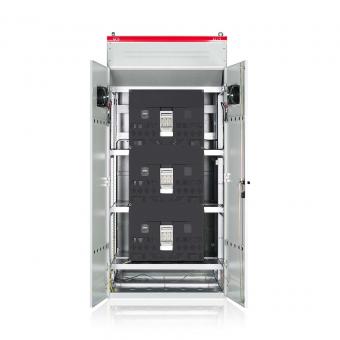
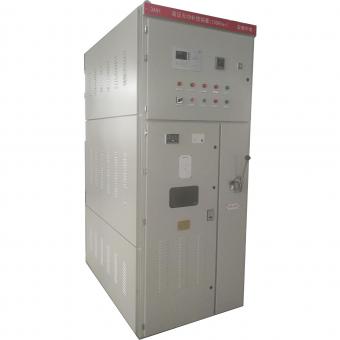
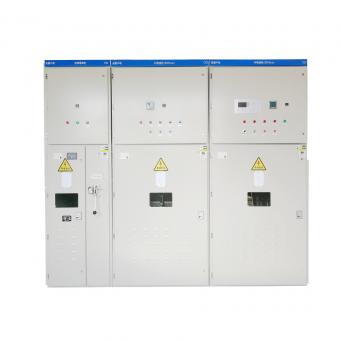
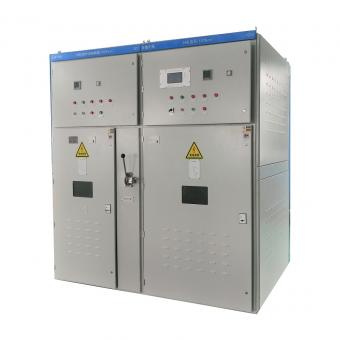
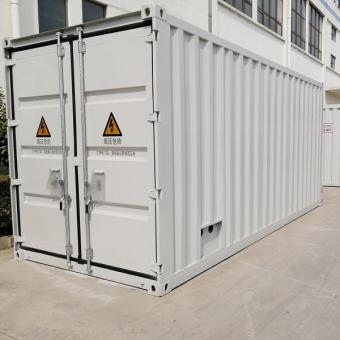
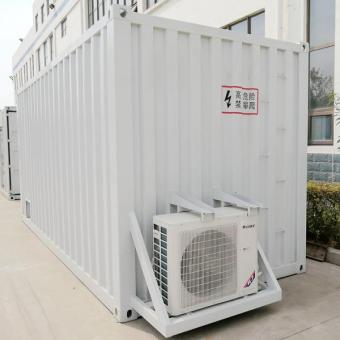
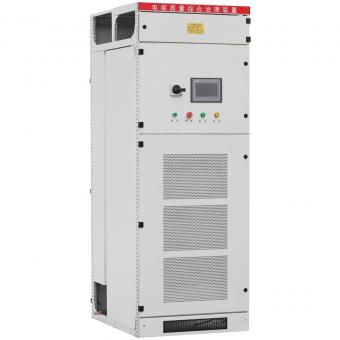
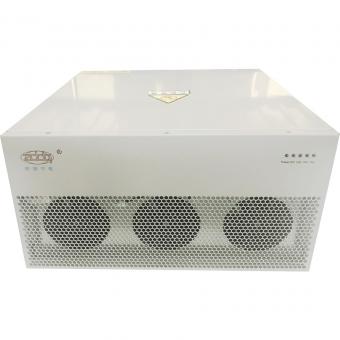
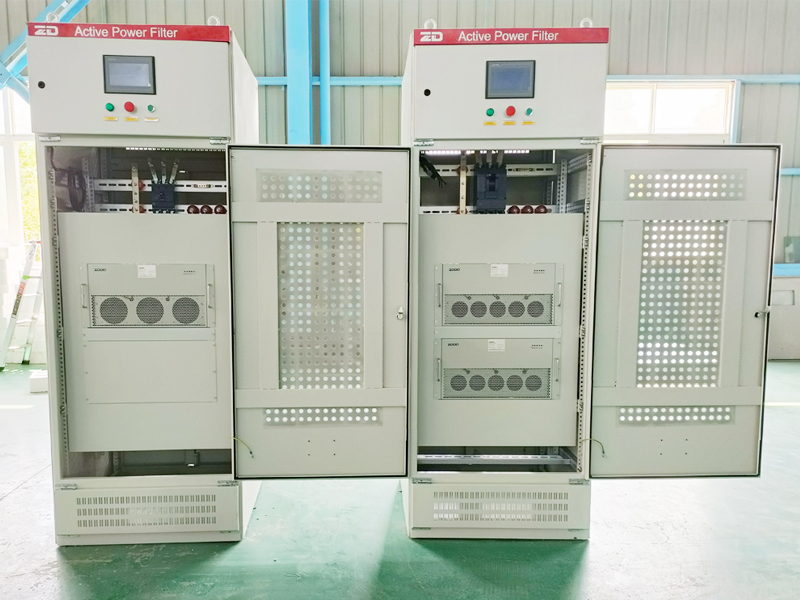
Filtro activo de potencia (APF): Respuesta rápida y amplio rango de filtrado, adecuado para escenarios con grandes fluctuaciones de carga y armónicos complejos (como talleres de soldadura automotriz). APF puede detectar corrientes armónicas en tiempo real y emitir activamente una corriente inversa para cancelar los armónicos. Los datos muestran que la tasa de mitigación de armónicos de APF puede superar el 95%.
Categorías
nuevo blog


NO.25,JINHE RD,HUAIYUAN ECONOMIC DEVELOPMENT ZONE ,BENGBU,ANHUI


Scan to WhatsApp: