¿Las facturas de electricidad de su fábrica se están disparando? ¿Los equipos de precisión se averían inesperadamente? ¿Sus transformadores se sobrecalientan con frecuencia? ¿La compañía eléctrica le está imponiendo multas por no cumplir con los estándares del factor de potencia?
Estos problemas problemáticos suelen indicar la misma causa raíz: calidad de la energía .
En el campo de la gestión de la calidad de la energía, se mencionan con frecuencia dos dispositivos estrella: SVG (Generador estático de var) y APF (Filtro activo de potencia). Tienen nombres similares y a menudo se analizan juntos, pero ¿realmente puede distinguir sus respectivas funciones?
Este artículo le guiará a través de las diferencias principales, los escenarios aplicables y los esquemas de combinación entre SVG y APF, para que nunca más tenga dificultades con el proceso de selección.
Aunque tanto SVG como APF fueron desarrollados para mejorar la calidad de la energía, sus misiones principales son bastante diferentes:
La misión principal de SVG (Generador estático de var) es mejorar el factor de potencia . En la producción industrial, equipos grandes como motores eléctricos y máquinas de soldadura requieren una gran cantidad de potencia reactiva durante su funcionamiento, lo que provoca una disminución del factor de potencia. SVG puede detectar con precisión y compensar rápidamente la potencia reactiva, solucionando los siguientes puntos problemáticos:
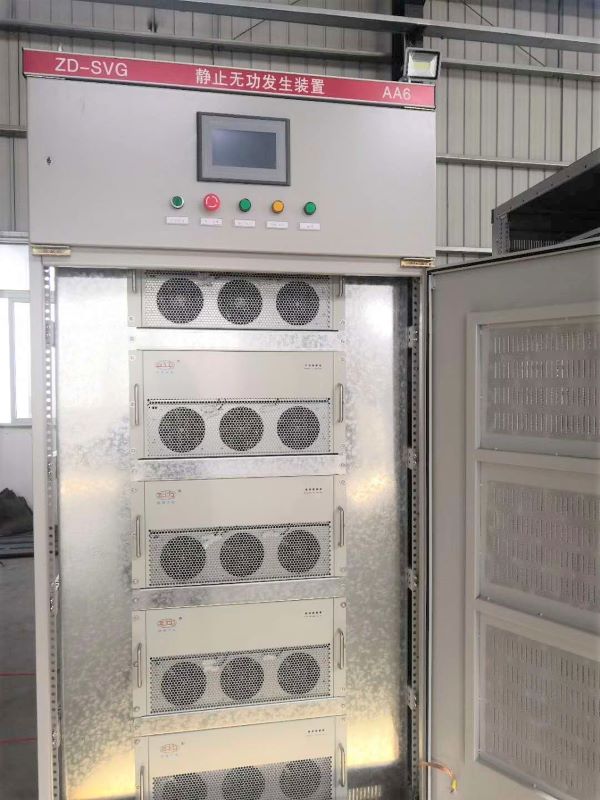
En la industria de la fundición de acero, el funcionamiento de equipos como hornos de arco eléctrico y trenes de laminación genera fuertes fluctuaciones de potencia reactiva, lo que provoca variaciones significativas en el voltaje de la red y afecta gravemente la estabilidad de la producción. La instalación de SVG (Generador estático de var) puede estabilizar rápidamente el voltaje, garantizando una producción fluida.
⚠️ Nota: SVG tiene capacidades limitadas de cancelación de armónicos, especialmente para armónicos de orden superior.
Un APF es un dispositivo diseñado específicamente para eliminar los armónicos del sistema , con una corriente de salida compuesta principalmente por armónicos. En la industria moderna, se utilizan ampliamente cargas no lineales como convertidores de frecuencia y rectificadores, lo que provoca una contaminación armónica cada vez más grave.
Un APF actúa como un cazador preciso, detectando y siguiendo rápidamente las corrientes armónicas, y generando una corriente de compensación en dirección opuesta para eliminarlas.
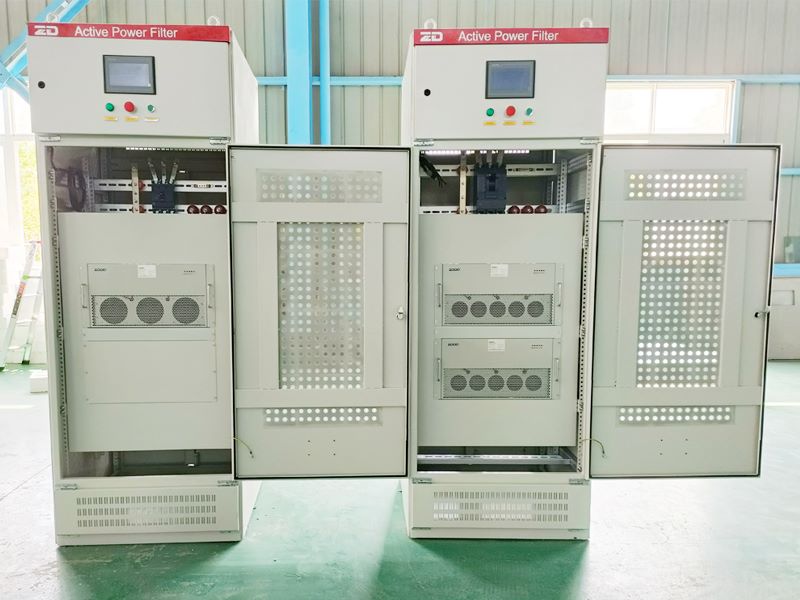
Caso típico
Las fuentes de alimentación conmutadas de una gran cantidad de servidores en un centro de datos generan muchos armónicos. La instalación de un APF puede eliminar eficazmente estos armónicos y garantizar el funcionamiento estable del centro de datos.
⚠️ Nota: El efecto de compensación de potencia reactiva del APF es relativamente limitado.
|
Dimensiones de comparación |
SVG |
APF |
|
Funciones principales |
compensación de potencia reactiva |
Control de armónicos |
|
Corriente de salida |
Dominada por la frecuencia fundamental |
Principalmente armónicos |
|
Principales ventajas |
Mejorar el factor de potencia, estabilizar el voltaje y mitigar el desequilibrio trifásico. |
Eliminar armónicos, proteger equipos y prevenir el sobrecalentamiento. |
|
Escenarios típicos |
Horno de arco eléctrico, laminador, carga de motor eléctrico |
Inversores, rectificadores, fuentes de alimentación conmutadas |
|
Limitaciones |
Efecto limitado en la eliminación de armónicos superiores |
Capacidad limitada de compensación de potencia reactiva |
En aplicaciones prácticas, los esquemas de configuración de SVG y APF dependen principalmente delas características de la carga, los requisitos de la red y los problemas de calidad de energía que deben abordarse.
En grandes plantas siderúrgicas, equipos como hornos de arco eléctrico y
laminadores no solo generan graves fluctuaciones de potencia reactiva que provocan inestabilidad de voltaje, sino que también producen una gran cantidad de armónicos que contaminan seriamente la red eléctrica. El SVG por sí solo no puede eliminar eficazmente los armónicos, y el APF por sí solo no puede resolver los problemas de compensación de potencia reactiva y estabilidad de voltaje—solo mediante el uso combinado de ambos se pueden lograr beneficios complementarios.
Lo mismo se aplica a los centros de datos con requisitos extremadamente altos de calidad de energía: los armónicos generados por una gran cantidad de servidores, UPS y otros equipos, junto con estrictos requisitos de factor de potencia, requieren la protección conjunta de SVG y APF.
Escenarios en los que SVG es suficiente:Las pequeñas plantas de procesamiento cuya carga principal son motores eléctricos comunes con bajo factor de potencia pero sin problemas graves de armónicos pueden resolver el problema de compensación de potencia reactiva mediante la configuración de SVG.
Escenarios que requieren solo APF:talleres de producción automatizados, plantas de mecanizado que utilizan una gran cantidad de convertidores de frecuencia, líneas de producción SMT, talleres de moldeo por inyección, líneas de soldadura de PCB, etc. - Estos escenarios son principalmente cargas no lineales, con una grave contaminación armónica pero una demanda de potencia reactiva relativamente estable.
Nota importante
En escenarios con armónicos severos, el enfoque principal para la mitigación es mediante el Factor de Potencia Activo (APF). Esto implica primero reducir las corrientes armónicas y proteger los dispositivos existentes de compensación con condensadores, y luego decidir si se añade compensación de potencia reactiva según el factor de potencia. Instalar un SVG (Generador Estático de Var) desde el principio no solo no logra mitigar los armónicos, sino que el funcionamiento a largo plazo del SVG en un entorno con altos armónicos también puede acelerar el envejecimiento de los módulos IGBT .
El socio perfecto para la gestión de la calidad de la energía
En grandes complejos comerciales, numerosos sistemas de iluminación y aire acondicionado generan armónicos y tienen importantes requisitos de potencia reactiva. La aplicación combinada de SVG y APF puede garantizar la estabilidad de la tensión y el funcionamiento normal de los equipos, al tiempo que reduce la interferencia armónica en equipos de precisión.
Por supuesto, en muchos casos, es necesario considerar factores como el costo, el espacio y las necesidades reales para configurarlos por separado.
Recuerda esto en una sola frase
Bajo factor de potencia, tensión inestable → Usa SVG (Generador Estático de Var)
Grave contaminación armónica, equipos envejecidos → Usa APF (Factor de Potencia Avanzado)
Problemas complejos, altos requisitos → Usa SVG + APF juntos
SVG y APF son dispositivos clave para la gestión moderna de la calidad de la energía. Aunque difieren significativamente en función y escenarios de aplicación, están estrechamente relacionados y son complementarios, desempeñando un papel indispensable en el funcionamiento estable de la red eléctrica y el suministro de energía de alta calidad.
Etiquetas :
Categorías
nuevo blog


NO.25,JINHE RD,HUAIYUAN ECONOMIC DEVELOPMENT ZONE ,BENGBU,ANHUI


Scan to WhatsApp: