En los sistemas de potencia, los armónicos son causados fundamentalmente por cargas no lineales. Cuando la corriente fluye a través de una carga y no mantiene una relación lineal con el voltaje aplicado, se produce una corriente no sinusoidal, lo que resulta en la generación de armónicos dentro del circuito. Las frecuencias armónicas son múltiplos enteros de la frecuencia fundamental; como demostraron los principios analíticos del matemático francés Fourier, cualquier forma de onda periódica puede descomponerse en componentes sinusoidales que comprenden la frecuencia fundamental y una serie de armónicos en múltiplos enteros de esa frecuencia. Los armónicos son ondas sinusoidales, cada una caracterizada por una frecuencia, amplitud y ángulo de fase distintos. Los armónicos se clasifican en impares o pares: el 3.º, 5.º y 7.º armónico son impares, mientras que el 2.º, 4.º, 6.º y 8.º son pares. Por ejemplo, si la frecuencia fundamental es 50 Hz, el 2.º armónico es 100 Hz y el 3.º armónico es 150 Hz.
En términos generales, los armónicos de orden impar causan un daño más significativo que los armónicos de orden par. En un sistema trifásico equilibrado, los armónicos de orden par se eliminan debido a la simetría, dejando solo los armónicos de orden impar. Para las cargas rectificadoras trifásicas, las corrientes armónicas que aparecen son del orden 6n ± 1 (por ejemplo, 5.º, 7.º, 11.º, 13.º, 17.º, 19.º, etc.); los variadores de frecuencia generan principalmente armónicos de 5.º y 7.º orden.
Existen dos enfoques fundamentales para abordar el problema de la contaminación armónica causada por dispositivos electrónicos de potencia y otras fuentes de armónicos. El primero implica instalar dispositivos de compensación de armónicos para mitigar los armónicos, una estrategia aplicable a una amplia gama de fuentes de armónicos. El segundo implica modificar los propios dispositivos electrónicos de potencia para evitar la generación de armónicos y lograr un factor de potencia controlable de la unidad; naturalmente, este enfoque se aplica específicamente a los dispositivos electrónicos de potencia que actúan como fuentes principales de armónicos.
El método tradicional para la compensación de armónicos implica el uso de filtros sintonizados LC. Ampliamente adoptados debido a su estructura simple, estos filtros son capaces de compensar tanto los armónicos como la potencia reactiva. Sin embargo, sufren de inconvenientes significativos: su rendimiento de compensación es sensible a la impedancia de la red y a las condiciones de funcionamiento, y son propensos a la resonancia paralela con el sistema. Esta resonancia puede conducir a la amplificación de armónicos, sobrecargando potencialmente o incluso destruyendo el filtro LC. Además, están limitados a compensar armónicos en frecuencias fijas, y la eficacia general de la compensación suele ser subóptima.
Los efectos nocivos de los armónicos
Idealmente, el voltaje suministrado por una red eléctrica pública debería mantener una frecuencia única y fija y una amplitud especificada. La presencia de corrientes y voltajes armónicos constituye una forma de contaminación dentro de la red eléctrica pública, degradando el entorno operativo de los equipos eléctricos. Aunque la investigación sobre los armónicos y sus peligros existía antes de la adopción generalizada de los dispositivos electrónicos de potencia, el problema no recibió inicialmente suficiente atención. En las últimas tres o cuatro décadas, la rápida proliferación de dispositivos electrónicos de potencia ha exacerbado la contaminación armónica en las redes eléctricas públicas. A medida que los fallos y accidentes causados por los armónicos se han vuelto cada vez más frecuentes, la gravedad del problema ha generado una preocupación significativa. Los efectos nocivos de los armónicos en las redes eléctricas públicas y otros sistemas generalmente se dividen en las siguientes categorías:
(1) Los armónicos causan pérdidas adicionales en los componentes de la red, reduciendo la eficiencia de la generación de energía, la transmisión y los equipos de uso final; específicamente, las corrientes significativas del tercer armónico que fluyen a través del cable neutro pueden causar sobrecalentamiento de la línea o incluso incendios.
(2) Los armónicos interfieren con el funcionamiento normal de varios dispositivos eléctricos. Además de causar pérdidas adicionales en los motores eléctricos, los armónicos inducen vibraciones mecánicas, ruido y sobretensión, y pueden provocar un sobrecalentamiento localizado severo en los transformadores. También causan sobrecalentamiento, envejecimiento acelerado del aislamiento y una vida útil reducida, o incluso fallos directos, en equipos como condensadores y cables.
(3) Los armónicos pueden desencadenar resonancia paralela o en serie localizada dentro de la red, amplificando los niveles de armónicos; esto intensifica significativamente los peligros descritos en los puntos (1) y (2), lo que puede conducir a accidentes graves.
(4) Los armónicos pueden causar el mal funcionamiento de los relés de protección y los dispositivos de control automático, así como imprecisiones en los instrumentos de medición eléctrica.
(5) Los armónicos interfieren con los sistemas de comunicación cercanos; una interferencia menor resulta en ruido y una calidad de comunicación reducida, mientras que una interferencia severa puede provocar la pérdida de datos e inutilizar los sistemas de comunicación.
Supresión de armónicos
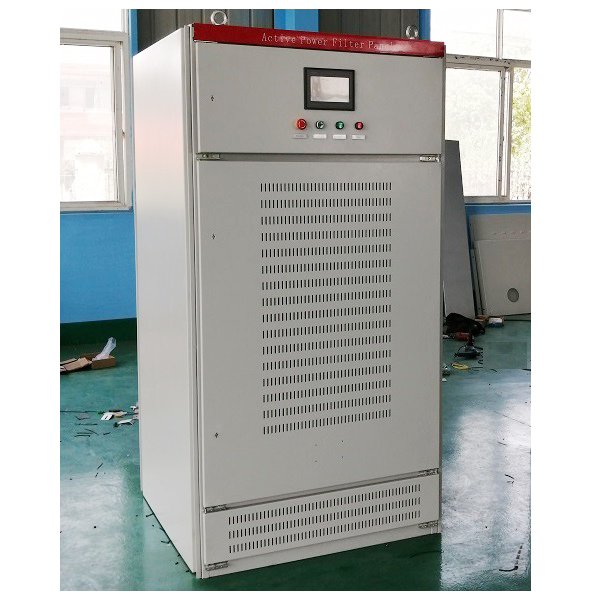
Existen dos enfoques fundamentales para abordar el problema de la contaminación armónica causada por dispositivos electrónicos de potencia y otras fuentes de armónicos. Un enfoque es instalar filtro armónico activo para mitigar los armónicos, un método aplicable a todo tipo de fuentes de armónicos. El otro enfoque implica modificar los propios dispositivos electrónicos de potencia para que no generen armónicos y puedan mantener un factor de potencia controlable de la unidad; naturalmente, este método se aplica solo a los dispositivos electrónicos de potencia que sirven como fuentes principales de armónicos.
Categorías
nuevo blog


NO.25,JINHE RD,HUAIYUAN ECONOMIC DEVELOPMENT ZONE ,BENGBU,ANHUI


Scan to WhatsApp: