Al hablar del uso de la electricidad, las personas a menudo priorizan la seguridad mientras pasan por alto un factor crítico: la calidad de la energía.
En realidad, una energía estable y de alta calidad es la piedra angular para una producción industrial segura y eficiente, y un requisito fundamental para el funcionamiento fiable de instalaciones críticas como hospitales, centros de datos e instituciones de investigación. También afecta directamente la experiencia eléctrica diaria tanto de complejos comerciales como de hogares.
En pocas palabras, la calidad de la energía se refiere a la "calidad" de la electricidad en sí. Al igual que los signos vitales del cuerpo humano (como la presión arterial, los niveles de lípidos y el azúcar en sangre) deben estar dentro de rangos normales para que el cuerpo funcione de manera saludable, parámetros como el voltaje y la frecuencia deben cumplir con los estándares para que el sistema eléctrico suministre electricidad "saludable" a los equipos.
Si la calidad de la energía no es suficiente, los equipos pueden sufrir una reducción en la eficiencia operativa o, en casos graves, daños y tiempos de inactividad, lo que finalmente compromete la producción real y la calidad de la vida diaria.
Los siguientes problemas de calidad de la energía son los más comunes en el uso diario de la electricidad:
1. Armónicos: Ocurren cuando las formas de onda de corriente o voltaje se distorsionan y se desvían de la onda sinusoidal estándar. Tales distorsiones son causadas principalmente por equipos no lineales como variadores de frecuencia (VFD), rectificadores y sistemas de alimentación ininterrumpida (UPS). Los armónicos actúan como "impurezas" en el sistema eléctrico, causando un calentamiento anormal del transformador, mayor vibración y ruido del motor, y fallos en los relés de protección, además de interferir con los sistemas de comunicación.
2. Desequilibrio trifásico: Ocurre cuando las amplitudes de los voltajes o corrientes trifásicos son desiguales, o cuando la diferencia de fase se desvía de los 120° estándar. Es causado principalmente por la distribución desigual de cargas monofásicas. El desequilibrio conduce a una corriente de secuencia cero excesiva y a mayores pérdidas en transformadores y líneas eléctricas; en casos graves, puede quemar los cables neutros y dañar los equipos.
3. Potencia reactiva y factor de potencia: La potencia reactiva no es energía "inútil"; equipos como los motores la requieren para generar los campos magnéticos necesarios para su funcionamiento. Sin embargo, una corriente reactiva excesiva consume capacidad de distribución y aumenta las pérdidas en la línea, lo que provoca caídas de voltaje y una salida insuficiente del equipo. Los usuarios también pueden incurrir en cargos adicionales de electricidad basados en ajustes del factor de potencia. Una compensación adecuada de la potencia reactiva puede mejorar eficazmente la calidad del voltaje y reducir los costos de electricidad.
4. Desviación de voltaje: Ocurre cuando el voltaje real se desvía del voltaje nominal. Los efectos adversos de la desviación de voltaje funcionan en ambas direcciones: un voltaje excesivamente alto ejerce una mayor tensión sobre el aislamiento del equipo, acelerando el envejecimiento y acortando la vida útil, o incluso causando un quemado inmediato en casos graves. Por el contrario, un voltaje excesivamente bajo resulta en un par motor insuficiente, lo que potencialmente dificulta el arranque del equipo o causa un funcionamiento lento y una reducción del brillo de la iluminación, interrumpiendo así la producción normal y la vida diaria. Aún más críticamente, las condiciones de bajo voltaje hacen que la corriente del equipo aumente, lo que a su vez exacerba la generación de calor y las pérdidas de energía en las líneas eléctricas.
5. Huecos de tensión e interrupciones de corta duración: Ocurren cuando el voltaje cae repentinamente a entre el 10% y el 90% de su valor nominal, durando desde medio ciclo hasta varios segundos. Este es el problema de calidad de energía con el impacto más severo en los usuarios industriales; un solo hueco de tensión puede detener líneas de producción completas en sectores como la fabricación de precisión, semiconductores y productos farmacéuticos, lo que resulta en pérdidas que ascienden a millones o incluso decenas de millones de yuanes.
¿Cómo se puede mejorar la calidad de la energía?
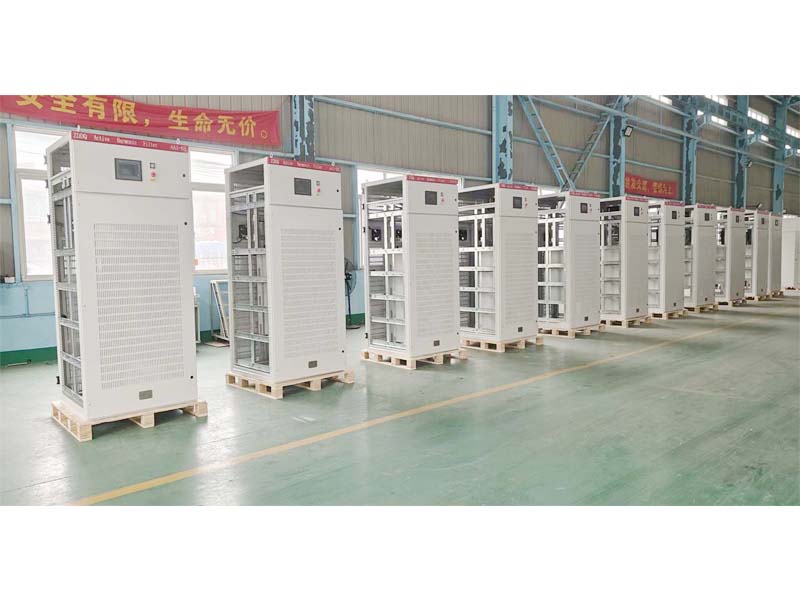
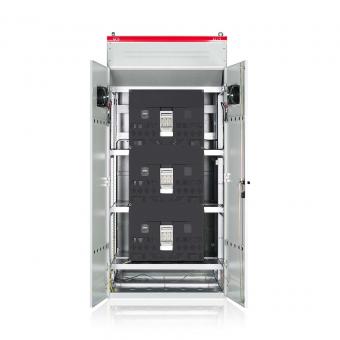
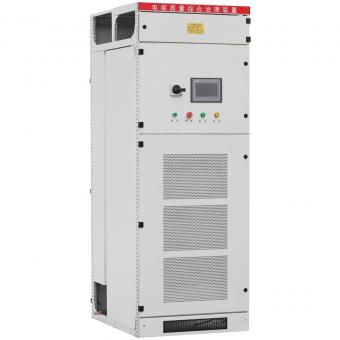
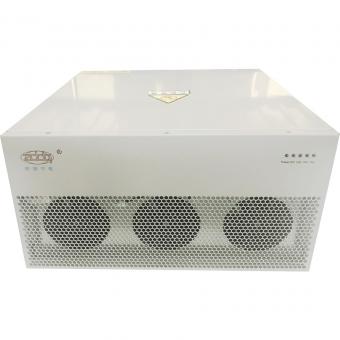
Control de armónicos :Adoptar APF (Filtro Activo de Potencia) para filtrar cada orden de armónicos; se utilizan reactores en serie para suprimir la amplificación de armónicos.
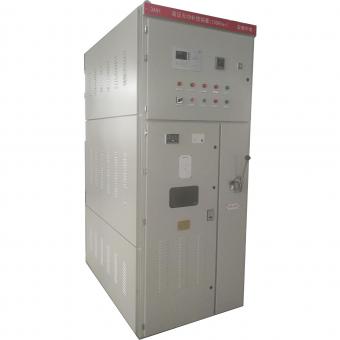
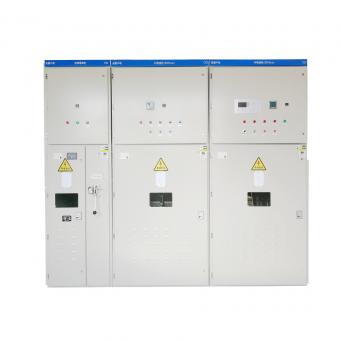
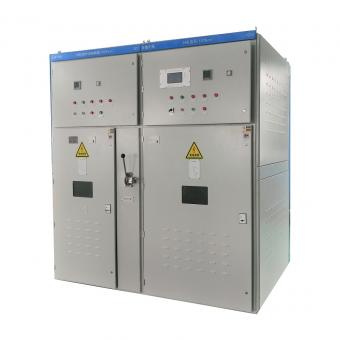
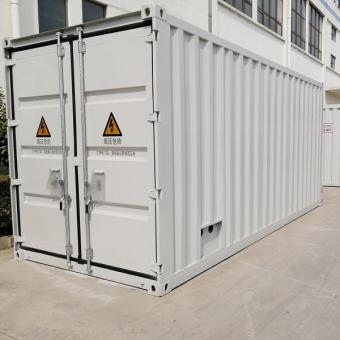
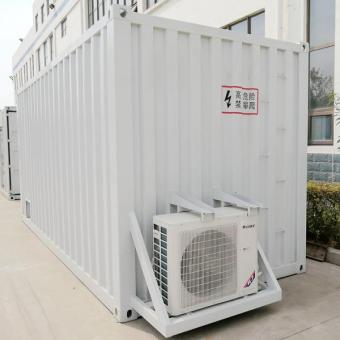
Compensación de potencia reactiva :SVG (Generador Estático de Var) / bancos de condensadores proporcionan compensación dinámica de potencia reactiva, mejoran el factor de potencia y estabilizan el voltaje.
Control de desequilibrio trifásico :SVG / módulos de regulación de desequilibrio equilibran las corrientes trifásicas y eliminan las corrientes de secuencia negativa