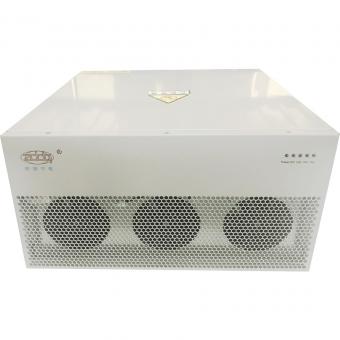
Tras la integración centralizada a gran escala de nuevas energías en la red eléctrica, se ha alterado el equilibrio operativo de las redes tradicionales. Se han producido numerosos problemas eléctricos, como fluctuaciones de voltaje, contaminación armónica, desviaciones de frecuencia, fallos en los sistemas de protección y desequilibrios trifásicos. Estos problemas no solo dañan los equipos eléctricos de los usuarios finales y provocan picos de pérdidas en la red, sino que, en casos graves, pueden desencadenar oscilaciones, desconexiones de unidades e incluso apagones regionales, lo que supone una amenaza significativa para el funcionamiento seguro y estable de los nuevos sistemas eléctricos.
La causa fundamental de todos los problemas eléctricos derivados de la integración de la nueva red energética radica en:
Desajuste entre las características de generación de energía de las nuevas fuentes y la lógica operativa de las redes eléctricas tradicionales.
Las redes eléctricas tradicionales dependen de la inercia y la amortiguación de los generadores síncronos para un funcionamiento estable, mientras que los inversores de energías renovables son "fuentes de energía débiles" sin inercia mecánica, con tiempos de respuesta rápidos y baja tolerancia a las perturbaciones. Esto, sumado a la naturaleza incontrolable de los recursos eólicos y solares, da lugar a diversas fallas eléctricas en la red.
1. Problemas de fluctuación y violación de voltaje
Causas principales: La producción de energía fotovoltaica y eólica se ve muy influenciada por las condiciones meteorológicas y la hora del día (por ejemplo, la energía fotovoltaica funciona a plena capacidad durante el día y a cero por la noche; la energía eólica fluctúa bruscamente con la velocidad del viento). Las fluctuaciones severas en la producción de energía renovable provocan directamente un flujo de energía bidireccional y desordenado en las redes de distribución. Además, la limitada capacidad de regulación de potencia reactiva de las unidades de energía renovable no puede satisfacer la demanda de potencia reactiva en tiempo real de la red, lo que puede causar fácilmente aumentos o disminuciones repentinas de voltaje en el punto de conexión a la red.
Principales riesgos: Las sobretensiones pueden dañar transformadores, inversores y equipos terminales de usuario. Las subtensiones pueden provocar una producción insuficiente de los equipos y el sobrecalentamiento de los motores por sobrecarga. Las fluctuaciones a largo plazo deterioran la calidad del suministro eléctrico, aumentan las pérdidas en la línea y afectan la fiabilidad del suministro eléctrico regional.
2. Armónicos de la red y deterioro de la calidad de la energía
Causas principales: El componente clave para la integración de energías renovables en la red son los inversores de potencia. Los procesos de rectificación e inversión de estos inversores generan una gran cantidad de armónicos de alto orden, como el 5.º, el 7.º y el 11.º. Simultáneamente, la superposición armónica de múltiples inversores en un clúster de energías renovables a gran escala puede desencadenar fácilmente resonancia armónica, amplificando la contaminación armónica. Además, las frecuencias de conmutación inestables de los inversores, el envejecimiento de los equipos y las configuraciones de filtro inadecuadas agravan los problemas armónicos.
Principales riesgos: Los armónicos provocan un calentamiento excesivo de las líneas de transmisión y los transformadores, aceleran el envejecimiento del aislamiento y reducen la vida útil de los equipos. Interfieren con el funcionamiento preciso de los relés de protección y los dispositivos automáticos, lo que puede ocasionar fallos en el funcionamiento de los equipos. Asimismo, afectan al funcionamiento normal de los instrumentos de precisión y los equipos de automatización industrial, provocando errores de producción y pérdidas económicas.
3. Inestabilidad de la frecuencia del sistema e inercia insuficiente
Causas principales: Las centrales térmicas e hidroeléctricas tradicionales dependen de la inercia mecánica del rotor para mantener la estabilidad de la frecuencia de la red. En cambio, los inversores de energías renovables se conectan a la red con "inercia cero", sin poder proporcionar soporte de inercia mecánica. Con una alta proporción de energías renovables conectadas, la inercia equivalente total de la red disminuye significativamente, lo que compromete gravemente la capacidad de regulación de frecuencia del sistema. Cuando la producción de energías renovables fluctúa bruscamente o las cargas cambian drásticamente, la frecuencia de la red es propensa a desviaciones y oscilaciones.
Principales riesgos: Las ligeras desviaciones de frecuencia afectan la eficiencia operativa de la red. Las grandes desviaciones de frecuencia pueden activar medidas de protección de baja o alta frecuencia, provocando la desconexión a gran escala de nuevas unidades de generación de energía. En casos extremos, esto puede desencadenar fallos en cascada en la red y provocar apagones importantes. El gran apagón en la Península Ibérica estuvo estrechamente relacionado con la pérdida de estabilidad del sistema debido a la alta proporción de integración de nuevas unidades de generación de energía en la red.
4. Mal funcionamiento de la protección del relé, fallo de operación y fallo de respuesta ante fallos.
Causas principales: Los dispositivos de protección de relés de red tradicionales están diseñados para un flujo de potencia unidireccional y una corriente de cortocircuito estable. Tras la integración de nuevas fuentes de energía, la red de distribución pasa de un suministro eléctrico unidireccional a bidireccional. La corriente de cortocircuito generada por estas nuevas fuentes tiene una magnitud pequeña, una duración corta y una distorsión de forma de onda severa, lo que difiere significativamente de las características de la corriente de falla tradicional. En consecuencia, los dispositivos de protección tradicionales no pueden identificar con precisión las señales de falla, confundiendo las fluctuaciones normales de potencia con fallas reales en la red.
Principales riesgos: Las frecuentes fallas en los sistemas de protección provocan desconexiones innecesarias de la línea y paradas de la unidad, lo que afecta la continuidad del suministro eléctrico. Si los sistemas de protección no funcionan durante las fallas, se impide su eliminación oportuna, lo que amplía el alcance de la falla y provoca incidentes de seguridad como cortocircuitos y daños en los equipos.
5. Desequilibrio trifásico y aumento repentino de las pérdidas en la línea.
Causas principales: Los sistemas fotovoltaicos distribuidos suelen estar conectados a la red en monofásica. La falta de coordinación en la conexión a la red por parte del usuario y la distribución desigual de la capacidad de instalación provocan directamente un desequilibrio de carga en las tres fases de la red de distribución. Simultáneamente, las fluctuaciones en la producción de energía, junto con los cambios aleatorios en la carga, agravan aún más este desequilibrio trifásico.
Principales riesgos: El desequilibrio trifásico provoca un desplazamiento del punto neutro del transformador y el calentamiento de los devanados, lo que reduce su eficiencia y vida útil. Aumenta la diferencia entre las corrientes trifásicas, incrementando significativamente las pérdidas en la red eléctrica. En casos graves, puede activar la protección de secuencia cero, causando interrupciones en el suministro eléctrico en las zonas donde se encuentran los transformadores.
Con base en las últimas regulaciones de seguridad de integración a la red de la Administración Nacional de Energía y los requisitos de las "Medidas de Gestión de la Calidad de la Energía (Provisionales)", se presentan soluciones integrales y aplicables que abordan los cinco problemas centrales mencionados anteriormente desde cinco dimensiones:
control de fuentes, actualizaciones de equipos, optimización de tecnología, renovación de la red y mantenimiento de operaciones
Estas soluciones logran un equilibrio entre seguridad, estabilidad y economía.
1. Gestión de fluctuaciones y violaciones de voltaje: Regulación precisa del voltaje, estabilización del voltaje en el punto de conexión a la red.
Siga el principio de "equilibrio local de potencia reactiva, ajuste dinámico en tiempo real". Resuelva los problemas de fluctuación de voltaje mediante la configuración de equipos y estrategias de control.
① Obligatorio el uso de equipos de compensación de potencia reactiva dinámica.
Los parques eólicos y fotovoltaicos a gran escala deben estar equipados con
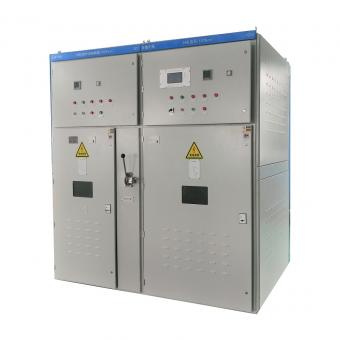
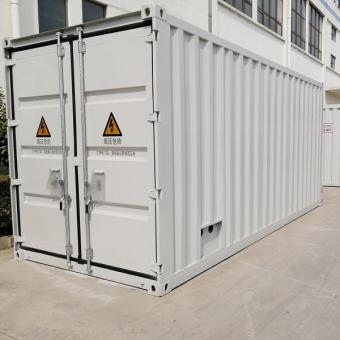
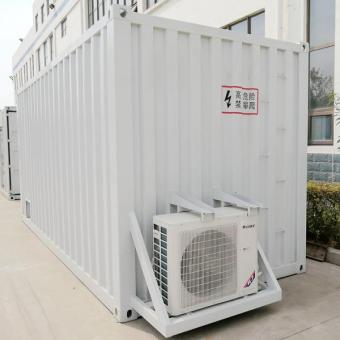
Compensadores síncronos estáticos (STATCOM)
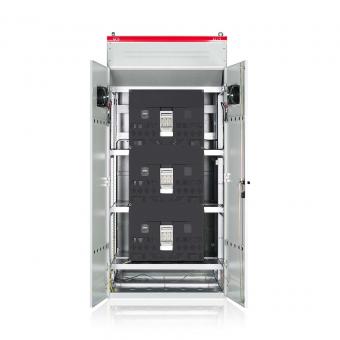
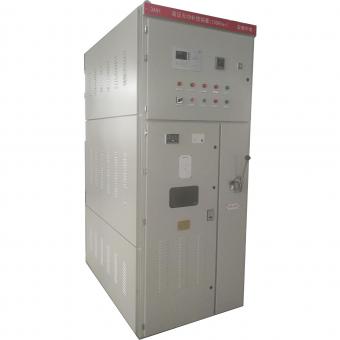
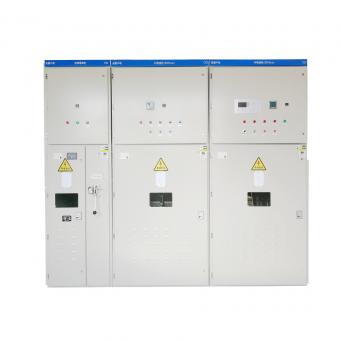
Sustituye a los dispositivos tradicionales de compensación de potencia reactiva estática, permitiendo una regulación bidireccional, rápida y continua de la potencia reactiva. Absorbe la potencia reactiva durante los picos de producción de energía renovable y alta tensión; emite potencia reactiva durante los periodos de baja producción y baja tensión, estabilizando la tensión en el punto de conexión a la red en tiempo real. Las zonas de energía renovable distribuida pueden equiparse con pequeños dispositivos de compensación de potencia reactiva para lograr un equilibrio local de la potencia reactiva.
② Optimizar la lógica de control de regulación de voltaje de la unidad
Actualizar los programas de control de los inversores de energía nueva y activar el modo de regulación adaptativa de voltaje, permitiendo que las unidades participen activamente en la regulación del voltaje de la red. Definir los límites operativos de voltaje de la unidad; cuando el voltaje exceda el rango estándar, ajustar automáticamente la potencia activa y reactiva de salida para evitar sobretensiones. Simultáneamente, aplicar rigurosamente las evaluaciones de calidad de energía previas a la integración para evitar problemas de compatibilidad de voltaje durante la etapa de planificación.
③ Optimizar la estructura de la red de cuadrícula
Planifique racionalmente los puntos de integración de nuevas centrales energéticas a la red para evitar una concentración excesiva de estaciones conectadas a la misma barra colectora, distribuyendo así la presión de conexión. En zonas con alta penetración de energías renovables, optimice los parámetros de impedancia de las líneas y renueve las líneas antiguas y débiles para reducir las fluctuaciones de tensión causadas por las caídas de tensión.
2. Gestión de la contaminación armónica: supresión en la fuente + filtrado final, purificación de la calidad de la energía.
Siga el principio de "reducción de la fuente, mitigación coordinada y monitoreo en tiempo real" para resolver a fondo los problemas de armónicos y cumplir con los estándares nacionales de calidad de la energía.
① Optimizar el hardware del inversor y la estrategia de control.
Seleccione inversores conectados a la red de alta calidad, con alta eficiencia de conversión y baja distorsión armónica. Optimice las estrategias de modulación PWM del inversor para reducir la generación de armónicos de alto orden en la fuente. Prohíba la conexión a la red de inversores obsoletos o de baja calidad, controlando así la calidad de la energía en el extremo del equipo.
② Equip
Activo
Armónico
Filtros (A
H
F)
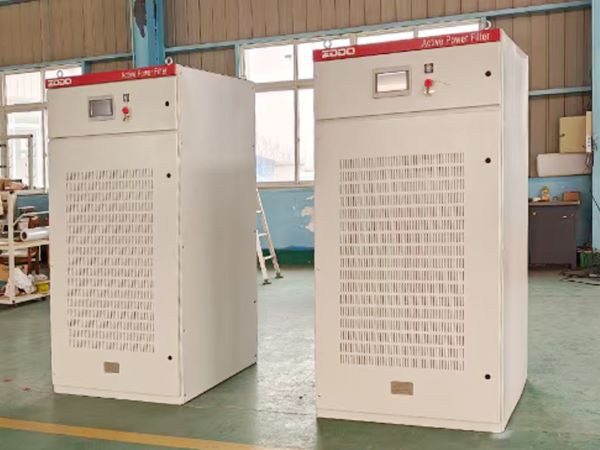
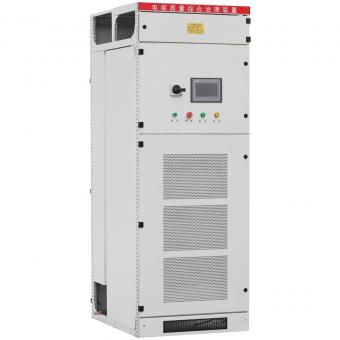
Para las nuevas centrales de energía con armónicos severos, instale filtros de potencia activos que puedan detectar corrientes armónicas de la red en tiempo real y generar activamente corrientes de compensación para cancelar los armónicos en la red.
H
Los filtros Fs ofrecen una precisión de mitigación de armónicos significativamente mayor que los filtros pasivos tradicionales y se adaptan bien a las fluctuaciones en las nuevas condiciones de producción de energía.
③ Implementar un monitoreo rutinario de la calidad de la energía.
Según la normativa, todas las nuevas centrales eléctricas conectadas a la red y las fuentes de distribución de 10 kV o más deben estar equipadas con dispositivos de monitorización de la calidad de la energía en línea, diseñados, construidos y puestos en marcha simultáneamente con el proyecto principal. Estos dispositivos monitorizan en tiempo real los armónicos, la desviación de tensión, las fluctuaciones, el parpadeo y otros indicadores. Emiten alertas automáticas y activan medidas de mitigación coordinadas cuando se superan los estándares, logrando así un control de bucle cerrado.
3. Solución a la inestabilidad de frecuencia y la inercia insuficiente: Complementando la inercia del sistema, mejorando la capacidad de regulación de frecuencia.
Para subsanar las deficiencias de la baja inercia y la débil regulación de frecuencia en las nuevas energías, se busca mejorar la estabilidad de la frecuencia de la red mediante actualizaciones tecnológicas y la coordinación del sistema.
① Promover la tecnología de generador síncrono virtual (VSG).
Se modernizan tecnológicamente los inversores de nueva generación mediante la implementación de algoritmos de control VSG que simulan la inercia mecánica y las características de amortiguación de los generadores síncronos tradicionales. Esto permite que las nuevas unidades de generación cuenten con regulación activa de frecuencia y capacidad de soporte de inercia. Ante fluctuaciones en la frecuencia de la red, las unidades pueden responder rápidamente, suprimiendo las oscilaciones, compensando la falta de inercia del sistema y mejorando significativamente la resistencia a las perturbaciones de la red.
② Mejorar las funciones de regulación de frecuencia primaria y secundaria.
Todas las centrales de energía nueva, de nueva construcción, ampliadas o renovadas, deben estar equipadas con una función de regulación primaria de frecuencia. Optimice la velocidad y precisión de respuesta de la regulación de frecuencia, asegurando que las unidades puedan responder rápidamente a las desviaciones de frecuencia de la red. Simultáneamente, construya un sistema de regulación secundaria de frecuencia utilizando sistemas de almacenamiento de energía. Aproveche las características de carga/descarga rápidas del almacenamiento para suavizar las desviaciones de frecuencia causadas por la fluctuación de la producción de energía nueva.
③ Coordinar la energía eólica, solar y el almacenamiento para el funcionamiento conectado a la red.
Promover la construcción de sistemas de almacenamiento de energía para nuevas centrales eléctricas. Utilizar el almacenamiento para la reducción de picos de demanda y el llenado de valles, aprovechando su rápida respuesta para suavizar las fluctuaciones intermitentes de la energía eólica y solar. Almacenar electricidad cuando la producción de energía nueva sea excesiva y descargarla cuando sea insuficiente, estabilizando así el equilibrio de potencia activa de la red y reduciendo fundamentalmente los problemas de fluctuación de frecuencia.
4. Optimización de la protección de relés: Adaptación al flujo de potencia bidireccional, eliminación de fallos de funcionamiento y desconexión.
Actualizar integralmente los dispositivos de protección y la lógica de control para adaptarlos a las nuevas características del flujo de energía tras la integración de nuevas fuentes de energía.
① Reemplazar con dispositivos inteligentes de protección de conexión a la red.
Sustituya gradualmente los dispositivos tradicionales de protección contra el flujo de potencia unidireccional por dispositivos de protección de relé adaptativos e inteligentes, adecuados para la integración de nuevas energías. Estos dispositivos pueden identificar con precisión las condiciones de flujo de potencia bidireccional, distinguir entre fluctuaciones normales de potencia, interferencias armónicas y señales de falla reales, logrando una rápida eliminación de fallas, un funcionamiento normal y estable, y solucionando por completo los problemas de mal funcionamiento y fallos de operación.
② Optimizar la configuración de protección y los esquemas de configuración.
Basándose en las características de corriente de cortocircuito de las nuevas unidades de energía,
Ajustes de protección contra sobrecorriente, sobretensión, subtensión y diferencial. Añada funciones de protección con retardo de tiempo para evitar disparos intempestivos causados por fluctuaciones transitorias. Para fallas internas de la estación, configure la protección diferencial como protección de respaldo para eliminar rápidamente las fallas por cortocircuito, mejorando así la eficiencia en la gestión de fallas.
5. Gestión del desequilibrio trifásico: Equilibrio de cargas y reducción de pérdidas en la línea.
Centrándonos en el desorden de la integración de la red distribuida, resolvemos a fondo el problema del desequilibrio trifásico mediante el ajuste de la carga, la gestión de los equipos y el control inteligente.
① Estandarizar el diseño de integración de la red distribuida
Planificar de forma integral la integración de sistemas fotovoltaicos distribuidos en la red eléctrica por zonas. Prohibir la conexión de sistemas fotovoltaicos monofásicos a la misma fase. Distribuir uniformemente la capacidad de conexión a la red trifásica para equilibrar las cargas en la fuente, evitando sobrecargas o subcargas locales de fase.
② Instalar dispositivos de mitigación de desequilibrio trifásico
Instale reguladores de desequilibrio trifásicos inteligentes en el lado de baja tensión de los transformadores de zona.
F
o instancia
generador de variables estáticas (SVG)
.
Estos dispositivos monitorizan en tiempo real las diferencias de corriente y tensión trifásicas, transfieren automáticamente las cargas y compensan rápidamente los componentes desequilibrados, controlando el grado de desequilibrio trifásico dentro de los límites de las normas nacionales y reduciendo eficazmente las pérdidas en los transformadores y en las líneas.
③ Realizar inspecciones rutinarias de operación y mantenimiento de la zona.
Inspeccione periódicamente el estado operativo de los equipos conectados a la red distribuida. Corrija oportunamente problemas como conexiones no autorizadas, sobrecarga monofásica y capacidad de instalación desigual. Optimice dinámicamente la distribución de carga trifásica para mantener un equilibrio trifásico estable en la zona.
Las actualizaciones de equipos a corto plazo pueden solucionar las fallas existentes, pero la gestión y el control a largo plazo son esenciales para lograr un funcionamiento rutinario, seguro y estable de la integración de la nueva red eléctrica. Con base en los estándares más recientes de la industria, se resumen tres medidas de garantía fundamentales:
1. Gestión y control de la calidad de la energía durante todo el ciclo de vida.
Implementar rigurosamente el principio de "evaluación primero, construcción segundo, integración tercero" para la integración de nuevas redes de energía. Realizar evaluaciones completas de la calidad de la energía durante la fase de planificación y estudio de viabilidad. Asegurar que los dispositivos de mitigación y los equipos de monitoreo de apoyo se pongan en marcha simultáneamente. Realizar controles aleatorios rutinarios de la calidad de la energía. Ordenar
Para estaciones con armónicos excesivos, voltaje anormal o fallas en la protección.
2. Monitoreo y mantenimiento inteligente en tiempo real
Desarrollar una plataforma de monitoreo inteligente para la integración de nuevas redes energéticas, con acceso a datos sobre el funcionamiento de las unidades, la calidad de la energía, las acciones de protección, los parámetros de la red, etc. Lograr monitoreo en tiempo real las 24 horas, alertas automáticas de anomalías y localización precisa de fallas. Utilizar el análisis de macrodatos para predecir fallas en los equipos y riesgos de fluctuación de la red, pasando de la reparación pasiva al mantenimiento proactivo.
3. Coordinación de la energía eólica, solar, el almacenamiento y la gestión de la red eléctrica.
Optimice las estrategias de despacho de la red, integrando energías renovables, almacenamiento, fuentes de energía tradicionales y cargas en un sistema de despacho unificado. Con base en las previsiones de producción eólica y solar, formule planes de despacho con antelación. Utilice la regulación del almacenamiento, la regulación de voltaje/frecuencia de las unidades y el desplazamiento de los picos de carga para maximizar la suavización de las fluctuaciones de la conexión a la red, logrando así un equilibrio dinámico de la misma.
Categorías
nuevo blog


NO.25,JINHE RD,HUAIYUAN ECONOMIC DEVELOPMENT ZONE ,BENGBU,ANHUI


Scan to WhatsApp: