A medida que la adopción global de los sistemas fotovoltaicos (PV) continúa acelerándose, mantener una excelente calidad de la energía se ha vuelto tan importante como generar energía limpia. Si bien la energía solar ofrece importantes beneficios ambientales y económicos, la integración de sistemas fotovoltaicos de gran escala en las redes eléctricas modernas también introduce nuevos desafíos técnicos, especialmente la distorsión armónica, las fluctuaciones de voltaje y los problemas de potencia reactiva.
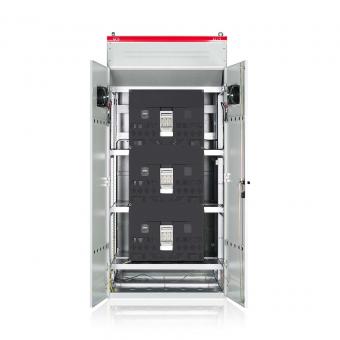
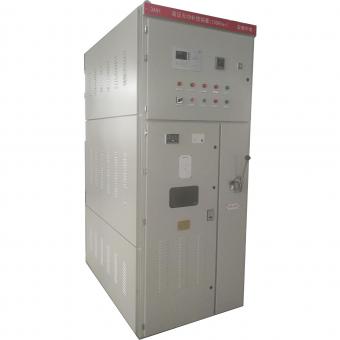
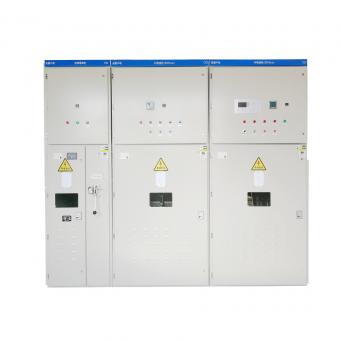
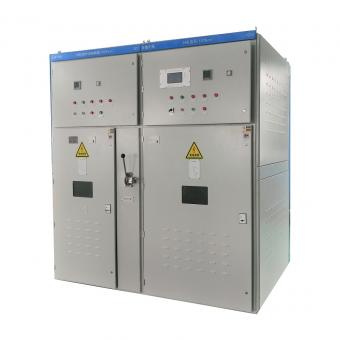
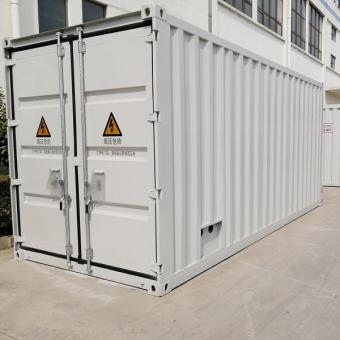
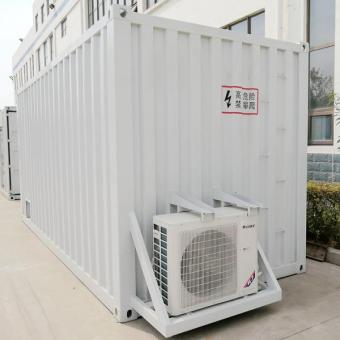
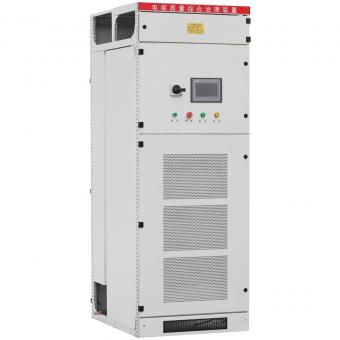
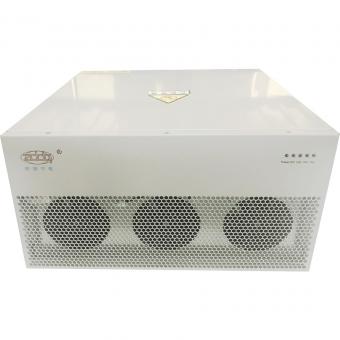
Una de las soluciones más eficaces es el Filtro de potencia activo (APF). Al combinar la generación fotovoltaica con tecnología avanzada de filtrado de armónicos, las empresas pueden mejorar la estabilidad de la red, proteger los equipos eléctricos y maximizar el rendimiento de sus inversiones en energías renovables.
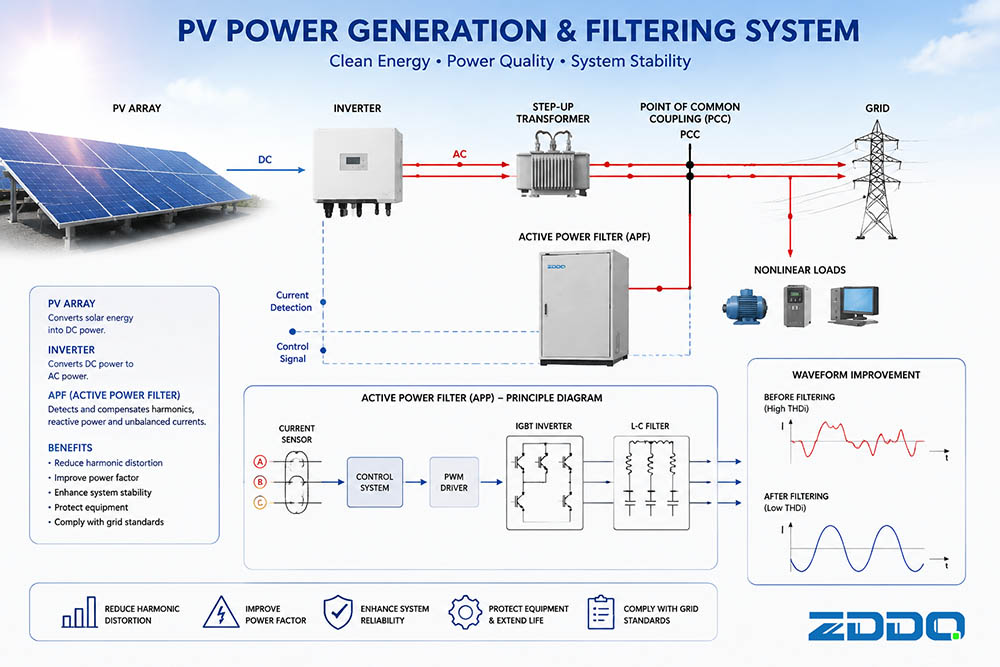
Un sistema fotovoltaico típico conectado a la red consta de varios componentes principales:
Matriz fotovoltaica: Convierte la luz solar en electricidad de CC.
Inversor: Convierte la potencia de CC en potencia de CA adecuada para la red eléctrica.
Transformador elevador: Eleva el voltaje hasta el nivel de distribución requerido.
Punto de acoplamiento común (PCC): El punto de conexión entre el sistema fotovoltaico y la red eléctrica.
Red y cargas: Suministran electricidad a consumidores industriales, comerciales o residenciales.
Aunque los inversores modernos son altamente eficientes, son dispositivos electrónicos de potencia que pueden generar corrientes armónicas. En instalaciones con numerosas cargas no lineales, como variadores de frecuencia (VFD), sistemas UPS, equipos de soldadura y centros de datos, la distorsión armónica puede volverse aún más grave.
Los armónicos son frecuencias eléctricas no deseadas que distorsionan la forma de onda sinusoidal ideal. Una distorsión armónica excesiva puede provocar:
Sobrecalentamiento de transformadores y cables
Reducción de la eficiencia de los equipos eléctricos
Disparos intempestivos de dispositivos de protección
Menor factor de potencia
Mayores costos de mantenimiento
Reducción de la vida útil de los equipos
Dificultad para cumplir con IEEE 519 y otros estándares de la red
A medida que aumenta la penetración fotovoltaica, mantener una baja distorsión armónica total (THD) se vuelve esencial tanto para la fiabilidad del sistema como para el cumplimiento normativo.
Un filtro de potencia activo monitorea continuamente el sistema eléctrico y detecta corrientes armónicas en tiempo real. Mediante algoritmos avanzados de control digital, genera corrientes de compensación que tienen la misma magnitud pero una fase opuesta a los armónicos no deseados.
El proceso de compensación normalmente sigue estos pasos:
Los sensores de corriente miden la corriente de carga.
El controlador calcula los componentes armónicos.
La tecnología PWM controla un inversor IGBT.
El inversor inyecta corriente de compensación a través de un filtro LC.
Las corrientes armónicas se cancelan antes de entrar en la red eléctrica.
El resultado es una forma de onda de corriente mucho más limpia con una THD significativamente reducida.
Agregar un APF a una instalación fotovoltaica ofrece varias ventajas importantes:
El APF suprime eficazmente la distorsión armónica y restaura una forma de onda de corriente casi sinusoidal, ayudando a mantener un funcionamiento estable del sistema.
La compensación de potencia reactiva mejora el factor de potencia general, reduciendo las penalizaciones de la compañía eléctrica y aumentando la eficiencia energética.
Los equipos sensibles, incluidos inversores, transformadores, motores y sistemas de control, funcionan de forma más fiable en condiciones eléctricas más limpias, prolongando su vida útil.
Muchas compañías eléctricas exigen que los recursos energéticos distribuidos cumplan con los límites de armónicos. Los APF ayudan a garantizar el cumplimiento de normas como IEEE 519.
El voltaje estable y la reducción de interferencias armónicas mejoran la fiabilidad a largo plazo tanto de la planta fotovoltaica como de las cargas industriales conectadas.
La combinación de generación solar fotovoltaica y filtrado armónico activo se utiliza ampliamente en:
Parques solares
Instalaciones industriales de fabricación
Edificios comerciales
Centros de datos
Hospitales
Estaciones de carga de vehículos eléctricos
Fábricas inteligentes
Microrredes de energía renovable
Estas aplicaciones suelen incluir grandes cantidades de cargas no lineales, lo que hace que lamitigación de armónicossea una parte fundamental del diseño del sistema.
A medida que la energía renovable se convierte en una parte más importante de la combinación energética mundial, la calidad de la energía seguirá siendo un factor clave para lograr un funcionamiento fiable y eficiente de la red. La integración de filtros activos de potencia con sistemas fotovoltaicos ya no es solo una mejora opcional, sino que se está convirtiendo en un componente esencial de la infraestructura eléctrica moderna.
Al reducir la distorsión armónica,mejorar el factor de potencia, proteger activos eléctricos valiosos y garantizar el cumplimiento de la red, los APF ayudan a que los sistemas de energía solar funcionen a su máximo potencial mientras respaldan una red eléctrica más limpia y resistente.
Categorías
nuevo blog


NO.25,JINHE RD,HUAIYUAN ECONOMIC DEVELOPMENT ZONE ,BENGBU,ANHUI


Scan to WhatsApp: