Cuando se aplica una tensión sinusoidal a un circuito no lineal, tanto la corriente resultante como la forma de onda de la tensión se vuelven no sinusoidales. Mediante la descomposición en series de Fourier de estas ondas no sinusoidales, el componente cuya frecuencia es igual a la frecuencia del sistema eléctrico se identifica como la onda fundamental, mientras que los componentes con frecuencias superiores a la fundamental se denominan armónicos. La gran mayoría de las cargas de uso generalizado en la actualidad—como rectificadores, variadores de frecuencia (VFD), sistemas UPS, ascensores, aires acondicionados, lámparas de bajo consumo (fluorescentes), fotocopiadoras y electrodomésticos—son no lineales. Estas cargas generan importantes corrientes armónicas que se inyectan en la red eléctrica, provocando distorsión de la tensión; esta “contaminación” armónica supone graves riesgos tanto para la red como para los usuarios finales. Además, las cargas impulsivas y fluctuantes—como hornos de arco eléctrico y equipos de soldadura—no solo generan armónicos de alto orden significativos durante su funcionamiento, sino que también provocan problemas de calidad de la energía como fluctuaciones de tensión, parpadeo y desequilibrio trifásico, poniendo en peligro la operación segura de la red eléctrica.
Impacto de los armónicos en la red eléctrica. Los condensadores utilizados para la compensación de potencia reactiva están ampliamente extendidos en las redes eléctricas; a determinadas frecuencias, pueden darse condiciones de resonancia en serie o en paralelo. Cuando los niveles de armónicos son suficientemente altos, pueden producirse sobretensiones o sobrecorrientes peligrosas, que a menudo dañan componentes y equipos eléctricos y comprometen seriamente la operación segura del sistema eléctrico.
Impacto de los armónicos en las máquinas eléctricas rotativas. Los armónicos provocan principalmente pérdidas adicionales y sobrecalentamiento en las máquinas rotativas, seguidos de vibraciones mecánicas, ruido y tensiones armónicas. Estos efectos acortan la vida útil de la máquina y, en casos graves, pueden incluso causar daños.
Impacto de los armónicos en los transformadores. Cuando las corrientes armónicas procedentes de fuentes armónicas fluyen hacia un transformador, el principal impacto es un aumento de las pérdidas en el cobre y en el hierro, lo que provoca mayor generación de calor y ruido.
Interferencia de los armónicos con los sistemas de comunicación. La interferencia armónica introduce ruido en los sistemas de comunicación; una interferencia severa puede provocar pérdida de señal e incluso representar riesgos para los equipos y la seguridad personal.
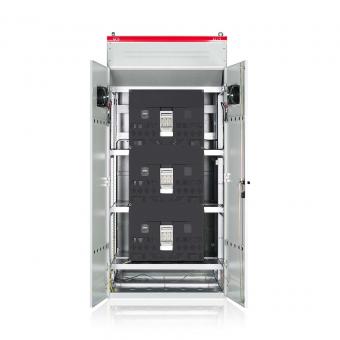
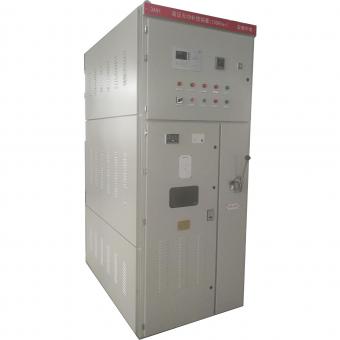
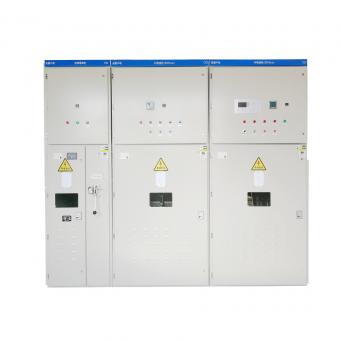
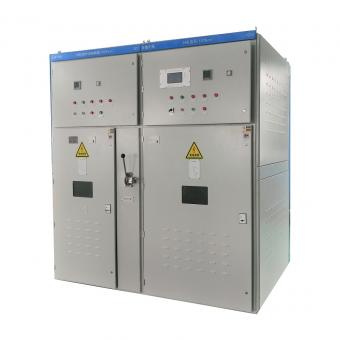
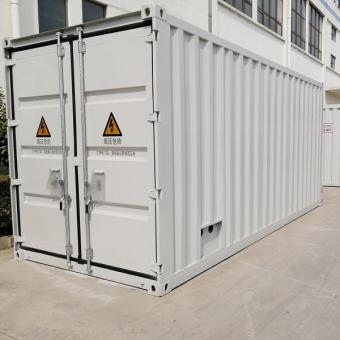
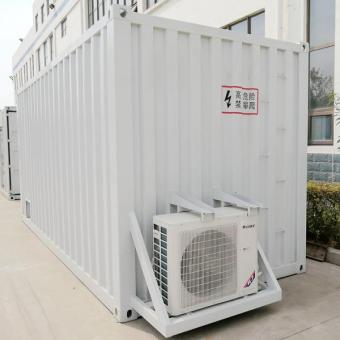
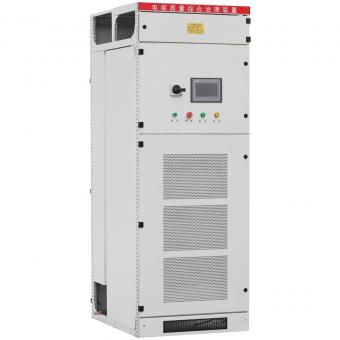
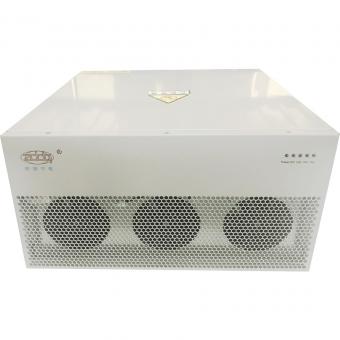
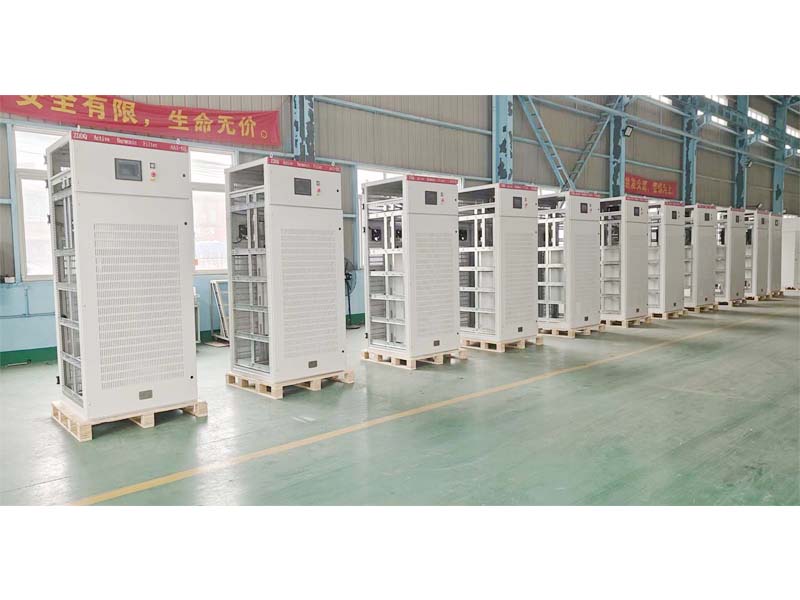
Para abordar los problemas complejos antes mencionados, se requiere una mitigación integral mediante dispositivos de filtrado de la red para resolver el problema de la contaminación armónica de la red. Esto dio lugar a la aparición del Filtro de Potencia Activo (APF). Como dispositivo electrónico de potencia capaz de la compensación dinámica de corrientes armónicas, el APF se diferencia de los filtros pasivos tradicionales por no verse afectado por la impedancia del sistema; ofrece una respuesta rápida, seguimiento y compensación automáticos, alta eficiencia de filtrado de armónicos y un diseño compacto. La implementación de dispositivos de filtrado activo desempeña un papel fundamental para garantizar la calidad de la energía, reducir las pérdidas en la red y minimizar la ocurrencia de accidentes.
Categorías
nuevo blog


NO.25,JINHE RD,HUAIYUAN ECONOMIC DEVELOPMENT ZONE ,BENGBU,ANHUI


Scan to WhatsApp: