En el ámbito de los sistemas de potencia, la compensación de potencia reactiva es un tema indispensable. Una selección adecuada conlleva menores costos de electricidad y un funcionamiento estable de los equipos; las elecciones incorrectas pueden resultar en complicaciones costosas. Ante diversos dispositivos como el condensador banco , SVG y A H Con tantas opciones en el mercado, ¿cómo elegir la correcta? Este artículo ofrece una explicación clara y concisa de una sola vez.
I . Resumen de las principales ventajas y desventajas del dispositivo:
Para que puedas comprender rápidamente el panorama general, primero presentamos una tabla comparativa que destaca las características clave de los tres dispositivos más populares.
|
Dimensión característica |
Banco de condensadores ( Tipo económico y práctico) |
SVG (Dinámico y Preciso)
|
A H F (Tipo de gobierno profesional)
|
|
|
Principio fundamental |
Al igual que un "depósito de agua", los condensadores de conmutación proporcionan potencia reactiva.
|
Al igual que una "bomba de agua inteligente", suministra potencia reactiva con precisión y en tiempo real.
|
Funciones como el "Filtro de precisión" cancelan activamente los armónicos y compensan la potencia reactiva.
|
|
|
velocidad de respuesta |
Lento (100–200 ms)
|
Extremadamente rápido: 5 milisegundos |
Ultrarrápido (<100 microsegundos)
|
|
|
Efecto de compensación |
Ajuste gradual y jerárquico
|
Suave y continuo, con ajuste sin escalonamientos.
|
Función principal, tasa de filtración >95%
|
|
|
Procesamiento armónico |
Puede amplificar los armónicos e inducir resonancia. |
posee cierto nivel de capacidad de rechazo de armónicos
|
Ajuste continuo con filtrado armónico simultáneo |
|
|
estructura de costos |
Bajo costo del equipo, instalación y mantenimiento sencillos.
|
Alto coste del equipo (entre 2 y 3 veces superior al de los condensadores); requiere instalación y puesta en marcha por parte de profesionales. |
Los costes de los equipos son los más elevados; la instalación y el mantenimiento son complejos y requieren conocimientos especializados.
|
|
|
Mejor escenario |
Condiciones de funcionamiento estándar con carga estable y bajos armónicos. |
En aplicaciones con cargas que fluctúan rápidamente y que requieren alta estabilidad de voltaje. |
En situaciones donde la contaminación armónica es grave y afecta el funcionamiento de los equipos de precisión. |
II Estrategia de selección basada en escenarios reales.
Tras una comparación teórica, la clave reside en la implementación. Su elección debe ajustarse a tres dimensiones: las condiciones in situ, los problemas principales y el presupuesto de inversión.
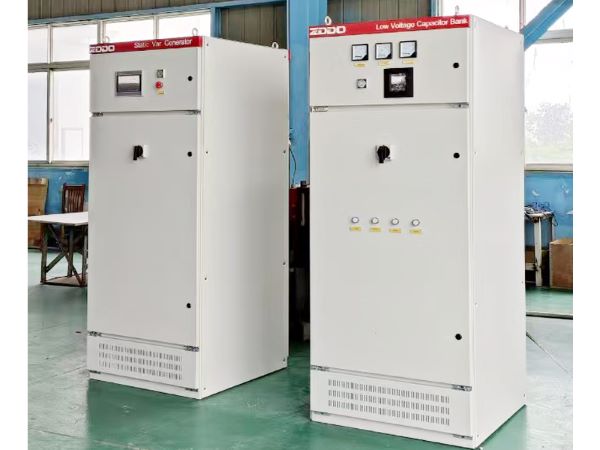
1. Si su principal problema es "un factor de potencia bajo y el deseo de ahorrar en las facturas de electricidad",
Opción preferida: Banco de condensadores
Escenario de ejemplo: Un taller típico de procesamiento mecánico, donde las cargas principales consisten en ventiladores, bombas de agua y máquinas herramienta, que funcionan sin problemas sin ningún equipo de alta potencia que requiera ciclos frecuentes de arranque y parada.
Fundamento de la decisión: Esta es la solución más rentable. Requiere una inversión mínima, tiene un corto período de recuperación de la inversión, mejora significativamente el factor de potencia y evita las penalizaciones de la compañía eléctrica por los cargos de ajuste del factor de potencia.
Nota importante: Antes de la instalación, realice una prueba de calidad de la energía eléctrica. Si se detectan armónicos significativos en el lugar, utilice un reactor para evitar la sobrecarga o la resonancia de los condensadores debido a dichos armónicos.
2. Si su problema principal es "voltaje inestable, que afecta la calidad del producto"
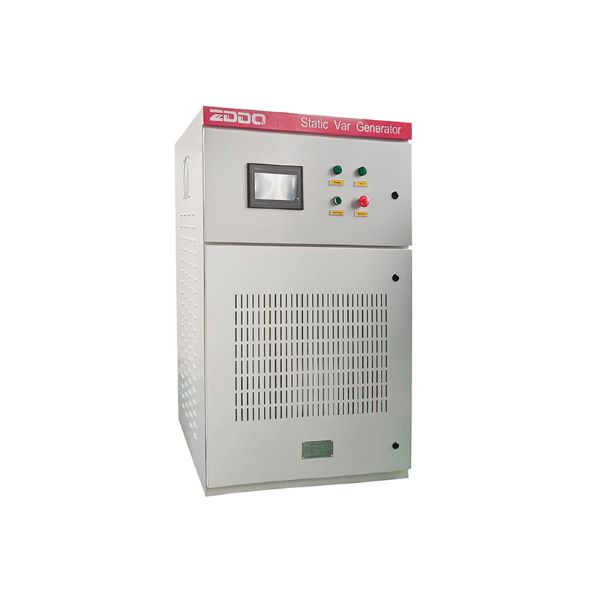
Solución preferida: SVG ( Generador estático de varianza Algunos ejemplos de escenarios de aplicación incluyen talleres de soldadura, laminadoras y puertos con frecuentes operaciones de grúa. En estos entornos, las fluctuaciones significativas de potencia instantánea en los equipos pueden provocar fluctuaciones drásticas en la tensión de la red (descargas intermitentes), lo que conlleva problemas como una mala calidad de soldadura y una menor precisión dimensional de los productos.
Justificación de la decisión: La capacidad de respuesta en milisegundos de SVG compensa instantáneamente la potencia reactiva y estabiliza el voltaje, solucionando la causa raíz del problema. Si bien su implementación es costosa, garantiza la calidad y la eficiencia esenciales de la producción.
En una frase: Pagar por la estabilidad.
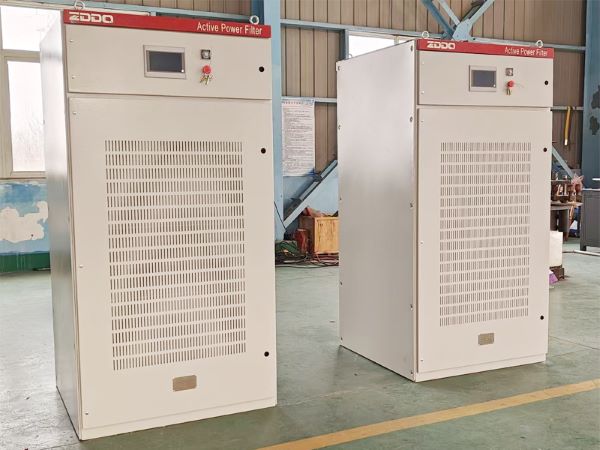
3. Si su problema principal es "distorsión armónica severa y alarmas de anomalías en el equipo", la solución preferida es un A H F ( Activo Armónico Filtrar Las aplicaciones típicas incluyen centros de datos, líneas de producción de semiconductores y grandes clústeres de convertidores de frecuencia. Las importantes cargas no lineales en estos entornos generan armónicos significativos, lo que provoca sobrecalentamiento de transformadores, ruido en los cables y fallos de funcionamiento en instrumentos de precisión.
Base de decisión: En esta etapa, la compensación de potencia reactiva se ha convertido en un requisito secundario, mientras que la mitigación de armónicos sigue siendo la tarea principal. El A H La función F actúa como un "médico armónico" especializado, capaz de filtrar con precisión los armónicos dañinos.
Solución avanzada: Si existen problemas tanto de potencia reactiva como de armónicos severos, considere un sistema híbrido "SVG+A". H Configuración F" o seleccione una A H Dispositivo F con capacidad de compensación parcial de potencia reactiva.
Resumen: No existe una opción absolutamente óptima para los dispositivos de compensación de potencia reactiva; solo existe la más adecuada.
Los condensadores son una solución ideal para problemas fundamentales, ya que ofrecen una buena relación calidad-precio.
SVG es la solución definitiva para efectos dinámicos, que ofrece resultados instantáneos.
A H La función F sirve como "herramienta quirúrgica" para abordar problemas armónicos crónicos, proporcionando una solución profesional y definitiva.
Categorías
nuevo blog


NO.25,JINHE RD,HUAIYUAN ECONOMIC DEVELOPMENT ZONE ,BENGBU,ANHUI


Scan to WhatsApp: