1.¿Por qué es necesaria la compensación de potencia reactiva?
La potencia reactiva no es en absoluto una potencia inútil. En los sistemas de suministro de energía de CA, los inductores y condensadores actúan como cargas esenciales. Las cargas ferromagnéticas, como los motores eléctricos y transformadores, no pueden funcionar sin potencia reactiva inductiva para la excitación; mientras tanto, las líneas de transmisión de larga distancia poseen características capacitivas inherentes, actuando eficazmente como condensadores en derivación conectados al sistema durante el funcionamiento. Claramente, la potencia reactiva desempeña un papel insustituible en la transmisión e intercambio de energía; sin este intercambio, el sistema no puede funcionar normalmente.
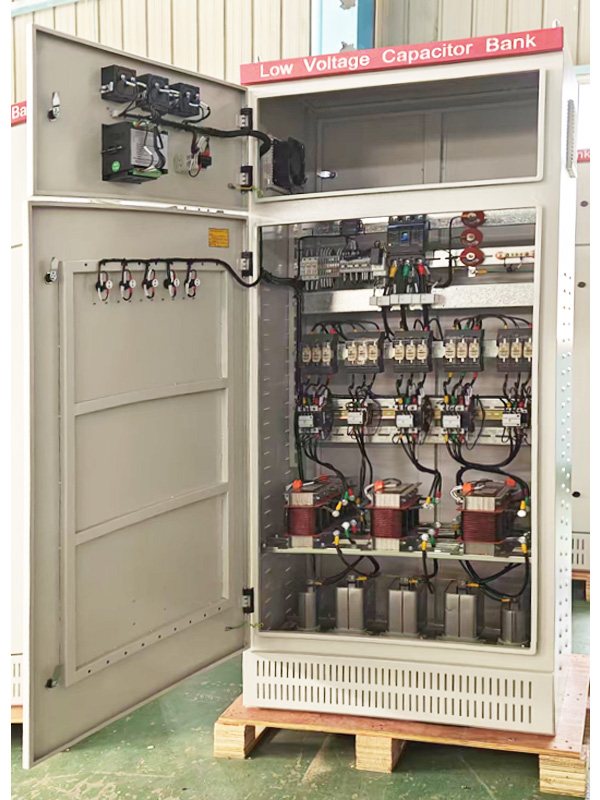
Para aliviar la carga de suministro de potencia reactiva de las centrales eléctricas, se pueden instalar condensadores en nodos del sistema de suministro donde se concentran las cargas inductivas, permitiendo el suministro local de potencia reactiva. Los usuarios deben diseñar e instalar dispositivos de compensación de potencia reactiva, basándose en los esfuerzos para mejorar su factor de potencia natural, que puedan conectarse o desconectarse en respuesta a las fluctuaciones de carga y tensión. Esto evita el retorno de potencia reactiva mientras eleva el factor de potencia para cumplir con las normas nacionales, evitando así cargos por penalización de la empresa suministradora. En consecuencia, tanto para las empresas de suministro eléctrico como para los consumidores industriales, implementar una compensación automática de potencia reactiva para mejorar el factor de potencia y evitar el retorno de potencia reactiva tiene gran importancia para conservar energía y mejorar la calidad operativa.
2.Principios básicos de la compensación de potencia reactiva
Las cargas reactivas que se encuentran comúnmente en los sistemas son predominantemente inductivas. Cuando las cargas capacitivas e inductivas se conectan en paralelo al mismo circuito, intercambian energía: la carga capacitiva libera energía mientras la carga inductiva la absorbe, y viceversa. La potencia reactiva requerida por la carga inductiva puede ser compensada localmente por la salida de potencia reactiva del dispositivo capacitivo, logrando así el equilibrio de potencia reactiva, reduciendo las pérdidas en las líneas, mejorando la capacidad de carga, minimizando las caídas de tensión y aliviando la carga de suministro de las centrales eléctricas.
3.Formas de compensación de potencia reactiva
1) Compensación individual
Se instalan condensadores para compensar localmente equipos eléctricos individuales; se conectan directamente al mismo circuito eléctrico y se encienden o apagan simultáneamente con el equipo mediante el mismo interruptor. Este método ofrece una compensación óptima, evita la sobrecompensación durante condiciones sin carga y garantiza la calidad del suministro eléctrico. Se utiliza comúnmente para equipos como motores de alta y baja tensión. Una desventaja es la tasa de utilización relativamente baja de los condensadores cuando el equipo no funciona de manera continua.
2) Compensación distribuida
Bancos de condensadores se instalan en los circuitos alimentadores derivados dentro de salas de distribución de talleres o subestaciones. Pueden conectarse por grupos según las fluctuaciones de carga. Aunque este método proporciona buenos resultados de compensación, el costo de instalación es relativamente alto.
3) Compensación centralizada
Los bancos de condensadores se instalan de forma centralizada en las barras colectoras primarias o secundarias de la subestación. Este método ofrece una instalación sencilla y un funcionamiento fiable; sin embargo, la efectividad de compensación es menor que la de los otros dos métodos y el costo también es relativamente alto.
4.Beneficios de la compensación de potencia reactiva
1) Mejora del factor de potencia
La potencia reactiva inductiva se compensa mediante potencia reactiva capacitiva, lo que conduce a un aumento significativo del factor de potencia (diagrama vectorial omitido).
2) Reducción de pérdidas en líneas de transmisión y transformadores
Una compensación adecuada reduce eficazmente la corriente del sistema. Reducir las pérdidas en líneas y transformadores mientras se conserva la energía activa constituye una medida vital de ahorro energético. En sectores como la industria petrolera, donde las líneas de transmisión son largas y complejas, la instalación de equipos de compensación de potencia reactiva puede reducir considerablemente las corrientes operativas y las pérdidas en las líneas.
3) Aumento de la capacidad de transmisión de la red y utilización de equipos
Los dispositivos de compensación reducen eficazmente la corriente del sistema y la potencia aparente, disminuyendo así los requisitos de capacidad de la infraestructura de red y reduciendo los costos de inversión. Para sistemas con un factor de potencia cercano a 0,7, una compensación adecuada puede reducir la corriente aproximadamente un 30%, aumentando eficazmente la capacidad de carga de las centrales eléctricas y las instalaciones de distribución de energía en un 30%.
La instalación de dispositivos de compensación de potencia reactiva puede resolver problemas en los que la capacidad del transformador o de la línea es insuficiente. El equilibrio local de potencia reactiva reduce la corriente que circula por líneas y transformadores, ralentiza el envejecimiento del aislamiento, prolonga la vida útil de los equipos y libera capacidad excedente en transformadores y líneas.
4) Mejora de la calidad de tensión
Un gran número de cargas inductivas en un sistema provoca caídas de tensión a lo largo de las líneas, especialmente en los extremos de carga. Una compensación adecuada reduce eficazmente las caídas de tensión y mejora la calidad de la energía. Las fluctuaciones de potencia reactiva afectan significativamente a los niveles de tensión; una reducción de la potencia reactiva (Q) provoca una disminución correspondiente de la pérdida de tensión. Para líneas que experimentan baja tensión en el extremo de carga, añadir dispositivos de compensación de potencia reactiva puede aumentar eficazmente la tensión, garantizando el funcionamiento seguro y fiable de los equipos.
Además, el uso generalizado de equipos de control automatizado y cargas no lineales en la industria introduce armónicos en las redes de distribución eléctrica, provocando contaminación de la red. La configuración adecuada de equipos de compensación y filtrado suprime o reduce drásticamente el impacto de los armónicos en el sistema de suministro y consumo eléctrico, sirviendo como un método clave para mejorar la calidad de la energía.
5) Ahorro en costos de electricidad
Una compensación adecuada garantiza que el factor de potencia en el punto de medición cumpla con las normas nacionales, evitando así penalizaciones por bajo factor de potencia y reduciendo significativamente los gastos de electricidad del usuario.
Categorías
nuevo blog


NO.25,JINHE RD,HUAIYUAN ECONOMIC DEVELOPMENT ZONE ,BENGBU,ANHUI


Scan to WhatsApp: