En el campo de la gestión de la calidad de la energía, la mayoría de los operadores industriales se centran en gran medida en problemas convencionales como la fluctuación de voltaje de frecuencia fundamental y la distorsión armónica entera. Si bien estas perturbaciones comunes de la energía se monitorean y mitigan adecuadamente en la mayoría de las redes eléctricas modernas, distorsión interarmónica La distorsión interarmónica sigue siendo un problema de calidad de energía poco frecuente, subestimado y altamente destructivo para los sistemas de energía industriales sofisticados. A diferencia de los armónicos regulares, que se producen en múltiplos enteros de la frecuencia fundamental de la red, los interarmónicos son componentes de frecuencia no entera que a menudo escapan a los dispositivos convencionales de detección de calidad de energía, lo que provoca fallos persistentes y difíciles de diagnosticar en el sistema. Este blog profundiza en el mecanismo técnico, las causas típicas, los riesgos para el sistema y las estrategias profesionales de mitigación de la distorsión interarmónica, proporcionando referencias técnicas específicas para la operación y el mantenimiento de sistemas de energía industriales.
I. Definición técnica y mecanismo fundamental de los interarmónicos
Según la norma internacional de calidad de energía IEC 61000-4-7, los interarmónicos se refieren a los componentes de frecuencia de voltaje y corriente que existen entre dos armónicos enteros adyacentes de la frecuencia fundamental de la red (50 Hz/60 Hz). A diferencia de los armónicos estándar con múltiplos de frecuencia fijos, las frecuencias interarmónicas son irregulares y no fijas, lo que presenta características de distribución espectral continua en el análisis del espectro de potencia.
El mecanismo de formación de interarmónicos es esencialmente diferente de la distorsión armónica convencional. Los armónicos estándar son causados principalmente por cargas no lineales fijas como convertidores de frecuencia y rectificadores, mientras que los interarmónicos provienen de fluctuación periódica de la carga que varía con el tiempo y acoplamiento de frecuencia cruzada entre múltiples dispositivos electrónicos de potencia. Cuando varios sistemas de accionamiento de velocidad variable, inversores conectados a la red de energía renovable distribuida y cargas de impacto periódicas operan simultáneamente, se generarán efectos de modulación de frecuencia y modulación de amplitud en la forma de onda de potencia fundamental, formando componentes interarmónicos de frecuencia no entera.
II. Escenarios industriales típicos que generan distorsión interarmónica
La contaminación interarmónica se concentra en escenarios de energía industrial dinámicos y de alta precisión, que son generalizados pero fáciles de ignorar. Los principales escenarios de aplicación incluyen tres categorías:
En tercer lugar, las líneas de producción con cargas de impacto intermitentes. Los equipos de estampado, soldadura y procesamiento por impulsos, con sus frecuentes arranques y paradas y variaciones de carga, son fuentes importantes de distorsión interarmónica de alta amplitud.
III. Riesgos únicos de la distorsión interarmónica para los sistemas de potencia
En comparación con los armónicos convencionales, el daño causado por los interarmónicos es más sutil y específico, y su efecto acumulativo a largo plazo amenaza seriamente la estabilidad y la vida útil de los equipos eléctricos:
4. Parpadeo anormal de los sistemas de iluminación y visualización industriales. Los interarmónicos de frecuencia media y baja son la causa principal del parpadeo sutil de la red eléctrica, que no puede eliminarse con los equipos convencionales de regulación de voltaje, lo que afecta al entorno de producción de la fábrica y a los equipos de detección óptica de precisión.
IV. Soluciones profesionales de mitigación de Anhui Zhongdian Electric
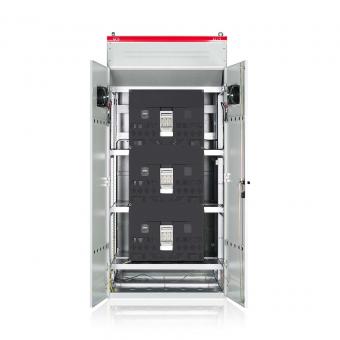
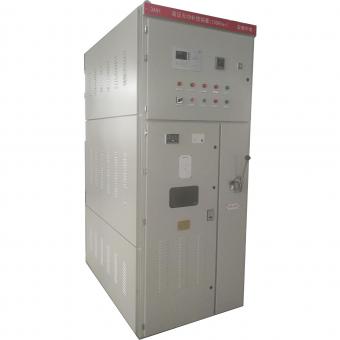
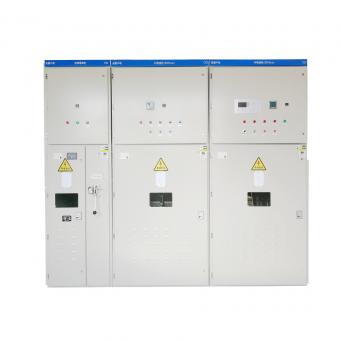
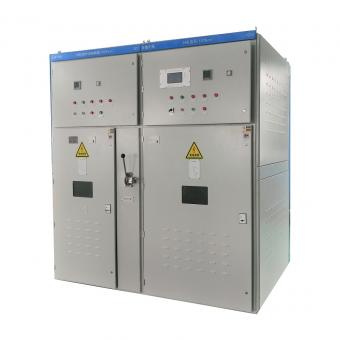
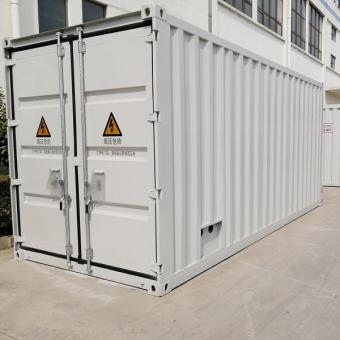
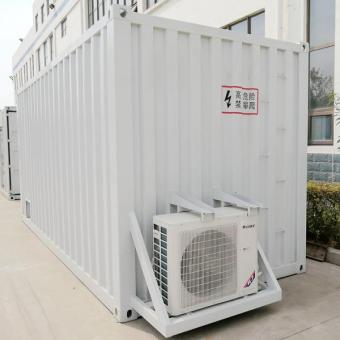
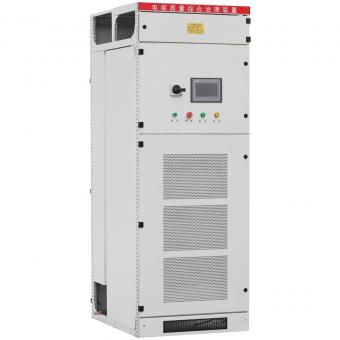
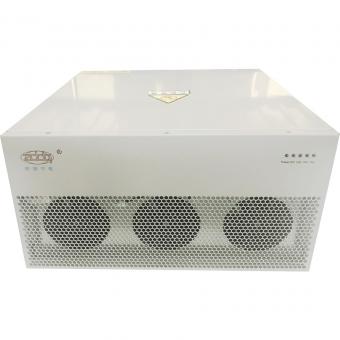
Con el objetivo de abordar los puntos débiles técnicos de la difícil detección y el deficiente efecto de supresión de la distorsión interarmónica, Anhui Zhongdian Electric Co., Ltd. Ha desarrollado soluciones integradas y específicas para la gestión de la calidad de la energía, basadas en años de experiencia en la operación de redes industriales y en la acumulación de tecnología de electrónica de potencia, superando las limitaciones de los equipos tradicionales de control de armónicos.
En cuarto lugar, la optimización general de la calidad de la energía de la red. En combinación con las condiciones de operación de la red in situ, logramos un control coordinado de la supresión de interarmónicos, la compensación de potencia reactiva y la estabilización de voltaje, resolviendo de manera integral los riesgos ocultos de calidad de energía causados por cargas variables en el tiempo y mejorando la eficiencia operativa y la estabilidad general de los sistemas de energía industriales.
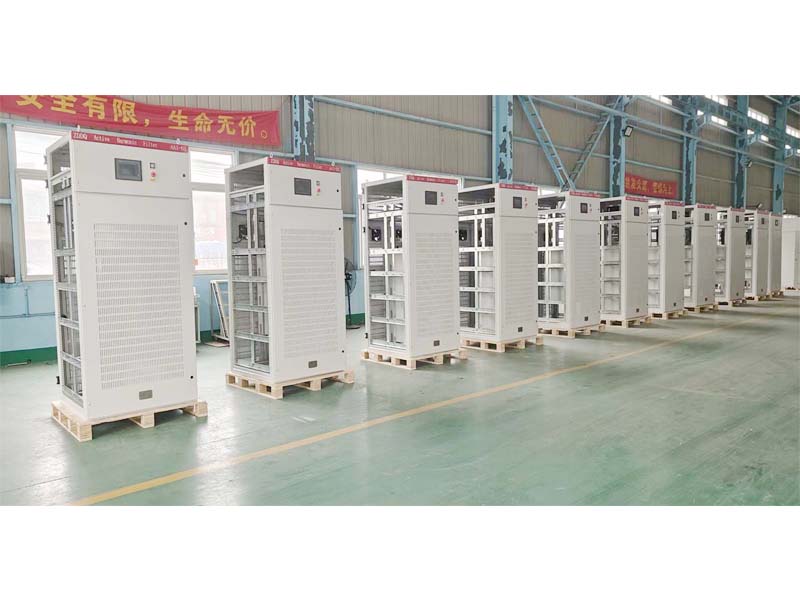
Con la continua modernización de la electrificación industrial y la incorporación a gran escala de nuevos equipos de energía y cargas electrónicas de potencia, la distorsión interarmónica se ha convertido en un factor clave que limita el funcionamiento óptimo de las redes eléctricas industriales modernas. Los métodos tradicionales de gestión de la calidad de la energía ya no se adaptan a las complejas y diversas formas de perturbación de la red. Como proveedor profesional de soluciones para la calidad de la energía, Anhui Zhongdian Electric Co., Ltd. se centra en los problemas más sutiles y complejos de la calidad de la energía, proporcionando esquemas de gestión técnica precisos, eficientes y personalizados para empresas industriales, y ayudándolas a eliminar riesgos ocultos en la red, reducir las pérdidas de equipos y optimizar los costos operativos.
Categorías
nuevo blog


NO.25,JINHE RD,HUAIYUAN ECONOMIC DEVELOPMENT ZONE ,BENGBU,ANHUI


Scan to WhatsApp: